Song Meaning
The lyrics paint a picture of someone grappling with life's difficulties, urging themselves and others to keep going despite setbacks. The opening lines, "Hit me! もっかい / 心をどこにもいかないよう縛ってよ" (Hit me! Once more / Tie my heart so it doesn't go anywhere), immediately establish a tone of resilience and a desire to remain grounded amidst chaos. The narrator acknowledges the fleeting nature of comfort and encouragement, noting "かつてここに誰かがいました / 心あったまる言葉くれました" (Once, someone was here / Gave me heart-warming words), but now "あーどこにもいない" (Ah, they're nowhere to be found), suggesting a reliance on inner strength.
The central tension lies in the struggle against oneself and the harsh realities of life, visualized by the striking image of "皿の上滑るエスカルゴ" (an escargot sliding on a plate). This metaphor captures the feeling of slow, difficult progress, perhaps even a sense of being trapped or exposed. The lyrics suggest that "誰しも自分と戦ってんだろうな" (Everyone is fighting themselves, I guess), highlighting a universal internal battle. Yet, there's a persistent push towards optimism, with the idea that "涙の上に笑顔があって" (There's a smile on top of tears), implying that joy can emerge from hardship.
The craft here is in the juxtaposition of self-deprecation and defiant self-affirmation. Phrases like "ドンマイ人生" (Don't worry, life) are immediately undercut by "なんて、呟いてもいい値はつかないし" (Even if I mutter it, it won't be worth anything), showing a realistic, almost cynical, outlook. However, this is countered by a fierce determination: "示してやるよThis is my way" (I'll show you, this is my way). The repeated call to action, "まだまだまだ、まだやれるって" (Still, still, still, I can still do it), acts as a mantra against despair, reinforcing the idea that even in difficult moments, there's potential for more.
Ultimately, the effectiveness of these lyrics stems from their raw honesty about struggle and their unwavering, almost desperate, call to persevere. The imagery of the vulnerable escargot combined with the defiant "烈 gob, shut up!" creates a powerful emotional arc. It resonates because it acknowledges the pain and difficulty of existence while fiercely advocating for continued effort and self-belief, suggesting that the fight itself, the "生き様" (way of living), is what truly matters.
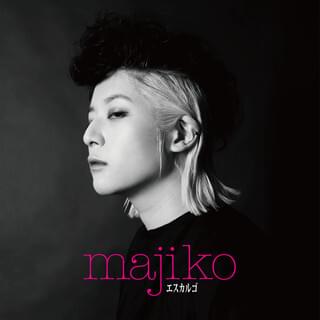
 View Artist