Song Meaning
The lyrics paint a haunting picture of lingering presence, where the "shadow" of a past lover permeates every space. It’s not just a memory, but an active, almost physical sensation. The shadow of a hand plays on the narrator's face and pillow, the shadow of a figure flickers on the wall and follows into dreams, and the shadow of a body lies on the narrator's soul and bed. This repetition of "Senka tvoje" (shadow of your) emphasizes how inescapable this spectral attachment has become, blurring the lines between what's real and what's a phantom echo.
The central tension lies in the narrator's desperate questioning of the sounds and sensations around them. They ask if the wind is hiding from them or if someone is whispering their name, creating a palpable sense of paranoia and longing. This uncertainty fuels the emotional core: is this internal manifestation of grief, or is there an external force at play? The wind, often a symbol of change or passage, here seems to be a conduit for this spectral presence, or perhaps a misinterpretation of the narrator's own internal whispers.
The most striking craft element is the consistent, almost ritualistic repetition of the stanza structure and the core phrase. This builds a hypnotic, suffocating atmosphere. The progression from the shadow of a hand, to a figure, to a body, mirrors an escalating intimacy and weight of this lingering presence. It’s a slow, deliberate descent into a state where the past is not just remembered but physically felt, pressing down on the narrator's very being.
Ultimately, these lyrics resonate because they capture that disorienting feeling after a significant loss, where the absence is more potent than any presence. The writing skillfully uses the metaphor of a shadow to represent an intangible yet overwhelming emotional weight. The ambiguity of the refrains leaves the listener suspended in the same state of anxious questioning as the narrator, making the feeling of being haunted incredibly vivid and deeply felt.
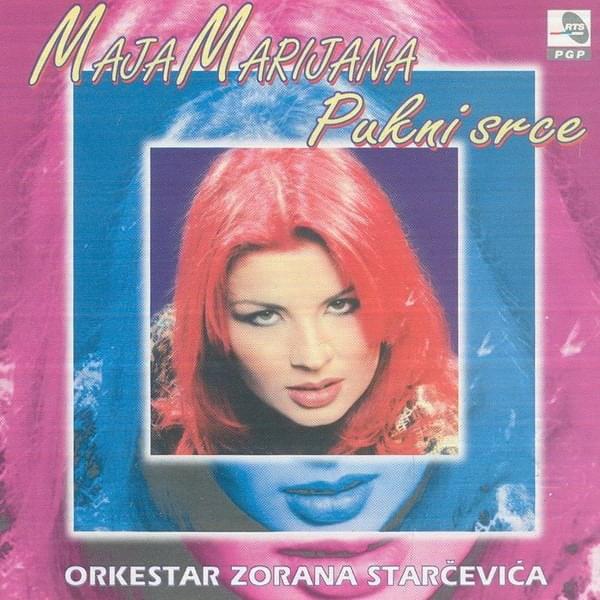
 View Artist