Song Meaning
This song paints a picture of a relationship built on deception, where one partner offered only a fraction of genuine affection. The narrator directly confronts the other person, stating, "U tvojim očima, na tvojim usnama mnogo je laži" (In your eyes, on your lips, there are many lies). This sets a tone of disillusionment and a stark realization of being misled.
The central tension lies in the contrast between the narrator's initial naivete and their current understanding of the relationship's superficiality. They admit, "Bila sam naivna srcu da verujem" (I was naive to believe the heart), highlighting a past willingness to trust that has now evaporated. The repeated refrain, "Malo si ljubavi hteo, malo me voleo" (You wanted little love, you loved me little), hammers home the core grievance: a fundamental lack of deep, wholehearted commitment from the other side.
The lyrics skillfully employ repetition to emphasize the theme of insincerity. The word "laži" (lies) appears multiple times, directly countering the gentle words spoken by the partner, "Nežno si pričao, nisam ni slutila da su to laži" (You spoke gently, I didn't suspect they were lies). This contrast between soft speech and deceitful intent is a key element of the emotional betrayal.
Ultimately, the song resonates because it articulates the painful recognition of a one-sided emotional investment. The narrator's final assertion, "Ko voli iskreno, ko srce otvori ništa ne traži" (Who loves sincerely, who opens their heart asks for nothing), serves as a quiet indictment, suggesting that true love doesn't require manipulation or withholding. The power lies in this clear-eyed, albeit heartbroken, summation of what was missing.
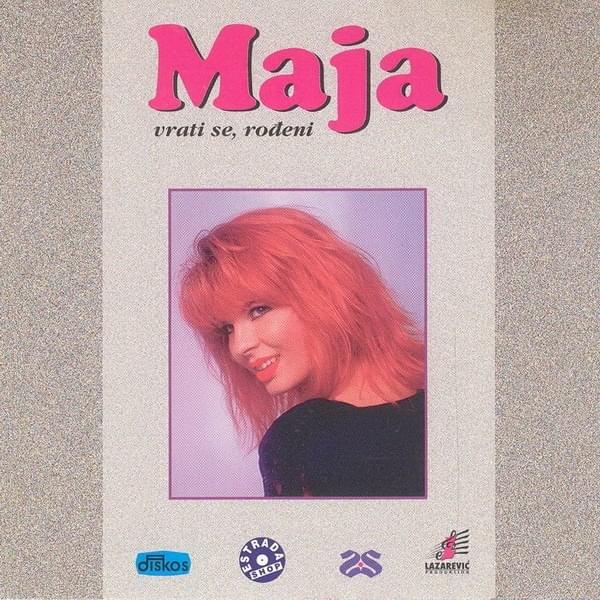
 View Artist