Song Meaning
The lyrics of "Blåklokkevikua" paint a vivid picture of a return to a deeply cherished, idyllic memory. The opening lines immediately establish a scene of warmth and natural beauty: "Nå ligg steinrøysa solvarm med fingerstrå." The speaker declares, "Je er heme nå," signaling a profound sense of belonging and peace found in this specific place or time. It's a moment of pure, sun-drenched contentment.
Central to the lyrics is the contrast between this special time and the mundane. "Blåklokkevikua" is explicitly called "lykkaa for meg," a happiness received "som ei gave da vi var små." This precious memory stands out "Midt i æillt det grå," suggesting that the bluebell week served as a vibrant, joyful escape from an otherwise unremarkable reality. The longing for this sanctuary is palpable, as the speaker admits, "Som je lengte mot deg."
The craft here lies in the evocative, sensory details and the powerful repetition. The phrase "Blåklokkevikua" acts as a refrain, almost a mantra, reinforcing its significance and drawing the listener into its world. Images like "flyge berrføtt i dogg-gras og blåbærlyng" convey a primal sense of freedom and childhood joy, while the personification, "Ja, den ler og syng," imbues the bluebell week with a lively, almost sentient happiness. The shift from past longing to present immersion – "Sit jeg i a nå / Je er i a nå" – is particularly striking.
Ultimately, these lyrics are effective because they tap into a universal yearning for a lost, perfect moment. The simple, unadorned language and specific natural imagery create a tangible sense of place and emotion. It's not just a memory; it's a living, breathing sanctuary that the speaker has finally re-entered, offering a profound sense of peace and a reminder that true happiness can be found in the simplest, most cherished corners of the past.
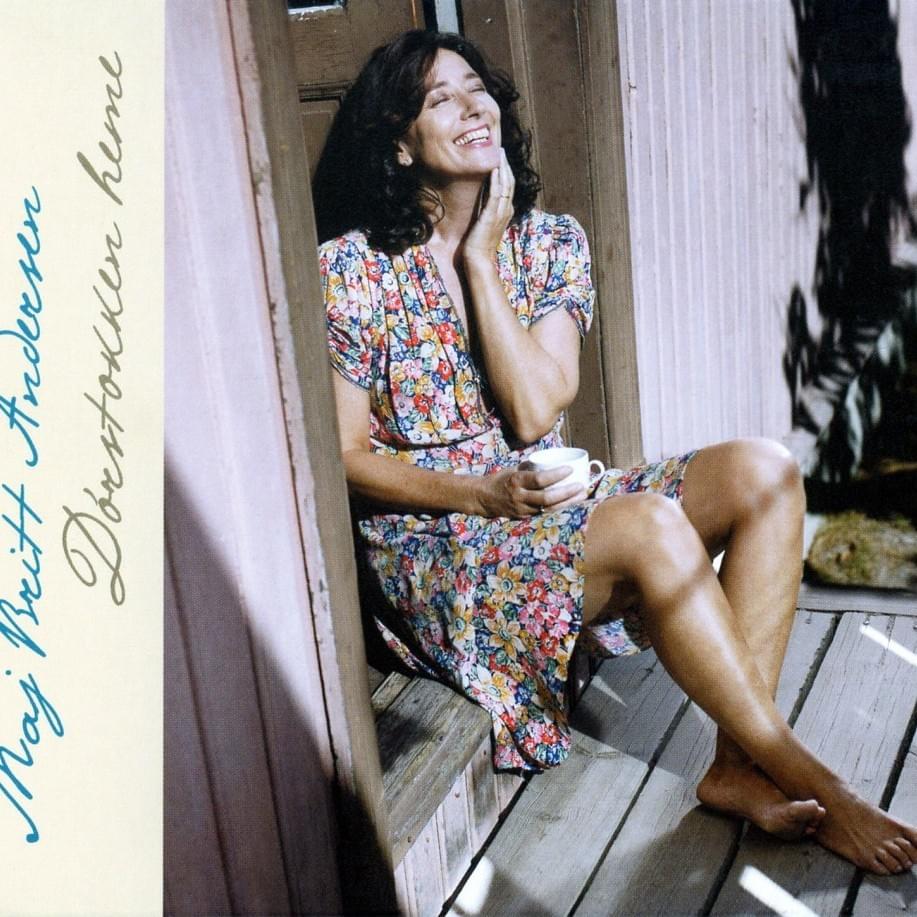
 View Artist