Song Meaning
Maija Vilkkumaa's "Yksi" isn't just a song; it's a stark emotional landscape painted with the hues of longing and the textures of resilience. The opening lines set a tone of brutal honesty: a freezing wind mirrors the singer's internal state, where words themselves taste of tears. This isn't a generalized sadness, though. The specific imagery suggests a separation, a geographical or perhaps even existential distance ('Siellä missä sä oot on ilta'). The triple bathing ritual hints at a desperate attempt to cleanse not just the body but the spirit, to find solace in the mundane when faced with overwhelming emotion. The acknowledgment of being 'liian vanha ja liian nuori' speaks to that uniquely human experience of feeling perpetually out of sync with life's expected timeline. 
But the core of "Yksi" lies in its defiant, almost spiritual assertion: 'Yksi on suurempi muita' – 'One is greater than others.' This 'one' isn't explicitly defined, leaving room for individual interpretation. It could be love, faith, a profound connection, or even an unwavering belief in oneself. Whatever it represents, it possesses an undeniable power, dwarfing the 'murheen laakso ja huolten vuori' ('valley of sorrow and mountain of worries'). The lyrics suggest a visceral experience, something that burns in the chest, rendering empty platitudes ('jeesusteluita') meaningless.
The second verse introduces a sense of alienation within the everyday. A drab cafe, incomprehensible conversations, and a torn copy of Anna Karenina symbolize a world out of joint. The desire for a utopian reversal ('Kukaan ei ois surullinen, sinäkään et oisi / Tiikeri ja peura saman lähteen vettä joisi') is poignant, but swiftly grounded in reality: 'Mut oo, jos niin ei oo niin niin ei oo' ('But if it isn't so, then it isn't so'). It's a mature acceptance of life's inherent imperfections, underscored by the recurring, almost mantra-like declaration that this singular 'one' remains the ultimate anchor, the unwavering truth amidst the chaos and sorrow. "Yksi" is, ultimately, a testament to the enduring power of something deeply personal and meaningful in the face of a world that often feels cold and indifferent.
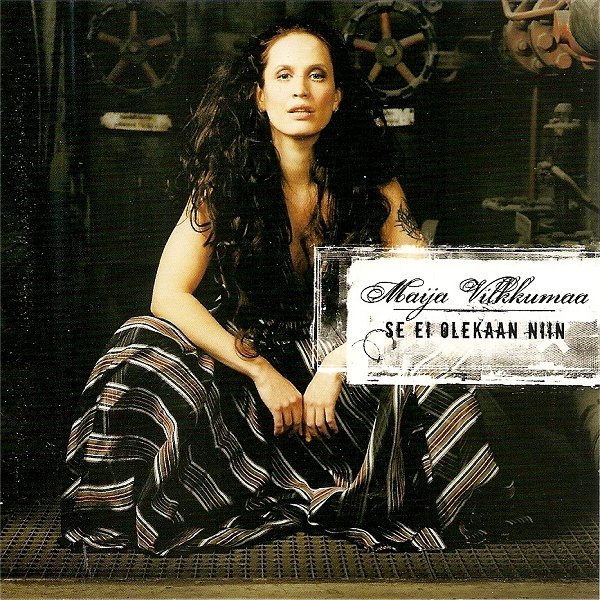
 View Artist