Song Meaning
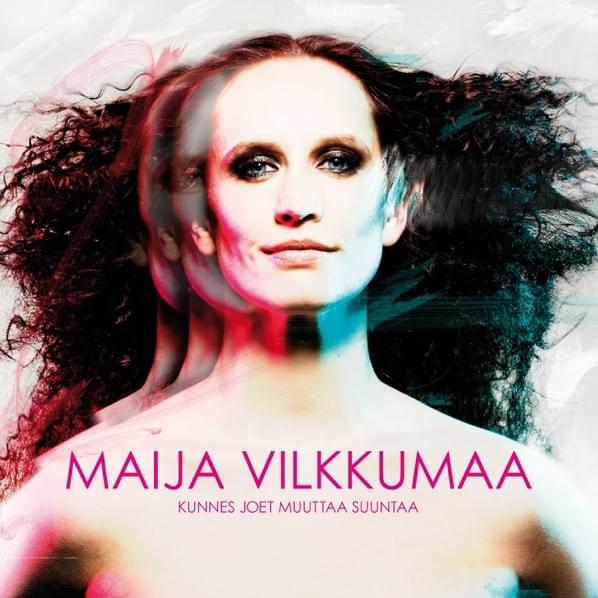
Maija Vilkkumaa's "Siihenks se jää" isn't just a song; it's a raw, visceral excavation of disillusionment. The opening lines, "You see me, but I'm not real / I don't look like this," immediately plunge us into a crisis of identity. It's the kind of existential dread familiar to anyone who's ever felt trapped in a performance of self, a mask molded by external expectations. The artist juxtaposes this present alienation with a past where she was "as she should be," bathed in admiration, speaking softly – a stark contrast to the explosive frustration that erupts later. This sets up the core tension: the chasm between an authentic inner self and the constricting roles imposed by society or relationships. The early 'good girl' image is destroyed, leaving a bitter aftertaste.
The chorus functions as a pressure release valve. The whispered question, "what does this cost?" speaks volumes about the sacrifices made to maintain that facade. The explosive "I can't fucking take it anymore" is not mere anger; it's the sound of a breaking point. Vilkkumaa uses the striking metaphor of memories as "gum in your hair" – sticky, unwanted, and relentlessly clinging. These are not nostalgic reminiscences but rather intrusive thoughts, constantly nagging and reminding her of a past self she can no longer reconcile with. The line "When the wind blows into every corner" suggests that these memories are inescapable, permeating every aspect of her present existence.
The reference to smoking cigarettes by the rose bushes at school adds another layer of complexity. These were "good years," yet the act of smoking implies rebellion, even then. It's a bittersweet memory, tinged with both longing and regret. The phrase "It makes me cry, it stays there" indicates a lingering sense of unfinished business, a feeling of being stuck in a loop of past traumas and unrealized potential. Ultimately, "Siihenks se jää" is a powerful exploration of the psychic toll of conformity and the struggle to reclaim one's true self from the wreckage of expectation. Maija Vilkkumaa crafts a haunting portrait of the battle against inauthenticity, using incisive lyrics and emotionally charged delivery.
 View Artist