Song Meaning
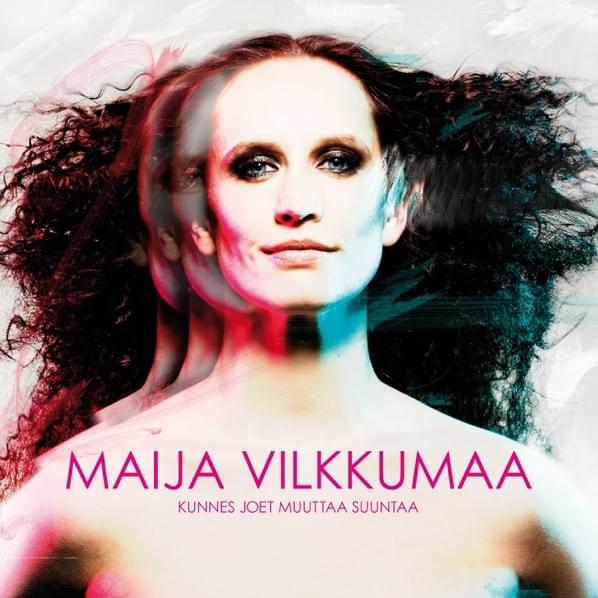
Maija Vilkkumaa's "Rouvakellari" (which translates roughly to "The Lady Cellar" or "The Wife Cellar") is a scathing indictment of societal expectations placed upon women, particularly as they age and enter domestic life. The song dissects the suffocating pressure to conform, to trade individuality and ambition for a pre-packaged existence of domesticity and social acceptance. Vilkkumaa captures the frustration of being reduced to one's age, marital status, and perceived role within the family, highlighting the absurdity of these limiting expectations. The lyrics convey a powerful sense of claustrophobia, as if the singer is being pushed into a metaphorical "cellar" – a dark, confined space where her identity is stifled. The repeated lines, "Oo että kun päätää tähän jään / Niin heti suljetaan rouvakellariin" (Oh, when I decide to stay here / I'm immediately locked in the lady cellar) are the core of the song meaning.
The opening verses establish this tension. Vilkkumaa sarcastically acknowledges the listener's perceived milestones – remembering the Soviet Union, having a child – while also noting their interesting personality and occasional "blues." But this apparent compliment quickly turns critical, as the singer questions why this person isn't already conforming to the expected norm: becoming one of those who "jauhaa / Pakastepusseistaan / Vadelmamousseistaan / Kalevi-jusseistaan" (chatter about / their freezer bags / their raspberry mousses / their Kalevi-jussis). The references to mundane domestic details are deliberately deflating, contrasting sharply with the idea of a vibrant, independent individual. The song lyrics point to an understanding that this person has had the audacity to survive something, and yet instead of celebrating that survival, society is pushing them to become something they are not.
The chorus is a defiant rejection of this imposed fate. Vilkkumaa asserts her autonomy with a raw, unapologetic energy: "Mä teen mitä teen ja mä meen mihin meen / Jos sä et tykkää niin painu helvettiin" (I do what I do and I go where I go / If you don't like it, go to hell). This is not a polite request for understanding; it's a visceral scream against the constraints of social expectation. The repetition of this chorus reinforces the singer's determination to resist being confined to the "rouvakellari," to define her own path regardless of societal judgment. Maija Vilkkumaa's "Rouvakellari" ultimately speaks to the universal struggle for self-determination, particularly for women navigating the complexities of identity, aging, and societal pressure.
The second verse further emphasizes the absurdity of these pressures, as the singer is questioned about her ability to sing now that she has a family. The implication is clear: motherhood and artistic expression are seen as mutually exclusive, an idea Vilkkumaa clearly rejects. This verse also touches on the physical toll of these expectations, as the singer notes the appearance of "laikkuja kaulaan" (spots on the neck), suggesting the stress and anxiety caused by these constant judgments. The song meaning is a sharp and relevant examination of the ways in which women are often boxed in and pressured to sacrifice their individuality for the sake of conformity.
 View Artist