Song Meaning
The lyrics paint a dreamlike, almost mystical encounter that begins with a persistent, distant call and a beckoning light, suggesting an internal yearning or a spiritual quest. This sets a tone of introspection and anticipation, pulling the listener into a subconscious space where the extraordinary can manifest. The narrator, since seventeen, has been drawn to this unseen force, hinting at a lifelong pursuit of something profound or elusive.
The central tension arrives with the appearance of a "woman in blue" whose presence is ethereal and transient, described as "floating up, so white it's see-through." Her pronouncements, "Too much" and "It's too late for me," delivered with a sigh, introduce a note of regret or warning, creating a stark contrast between the beckoning allure and a potential, unfulfilled destiny. This figure seems to represent a past self or an opportunity missed, a poignant reflection on time and choices.
The recurring "Holy light" acts as a powerful, almost divine illumination, revealing the "rays" and the ascending figure, identified as the "woman in the moon." This celestial imagery elevates the encounter beyond the mundane, framing it as a spiritual revelation or a transcendent moment. The lyrics then introduce a duality with the "Ancient queen" and the "woman who always supported me," suggesting different facets of this guiding or archetypal feminine presence, culminating in the striking image of "the woman with black hair, my shadow."
This interplay between the ethereal, the regretful, and the supportive feminine figures, all bathed in holy light, creates a powerful emotional resonance. The lyrics effectively use dream logic and symbolic imagery to explore themes of aspiration, the passage of time, and the complex, often shadowed, nature of self-discovery. The final repetition of the woman's warning and the sudden wind underscores the fleeting, impactful nature of these internal visions.
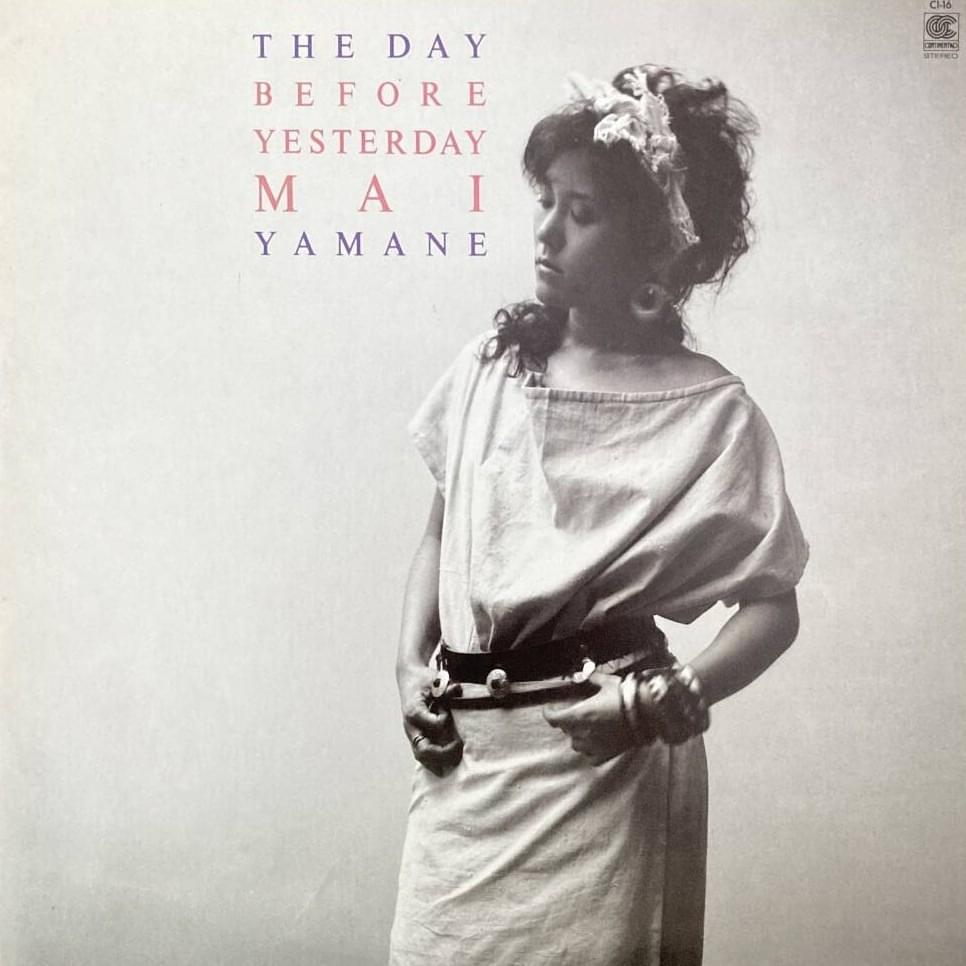
 View Artist