Song Meaning
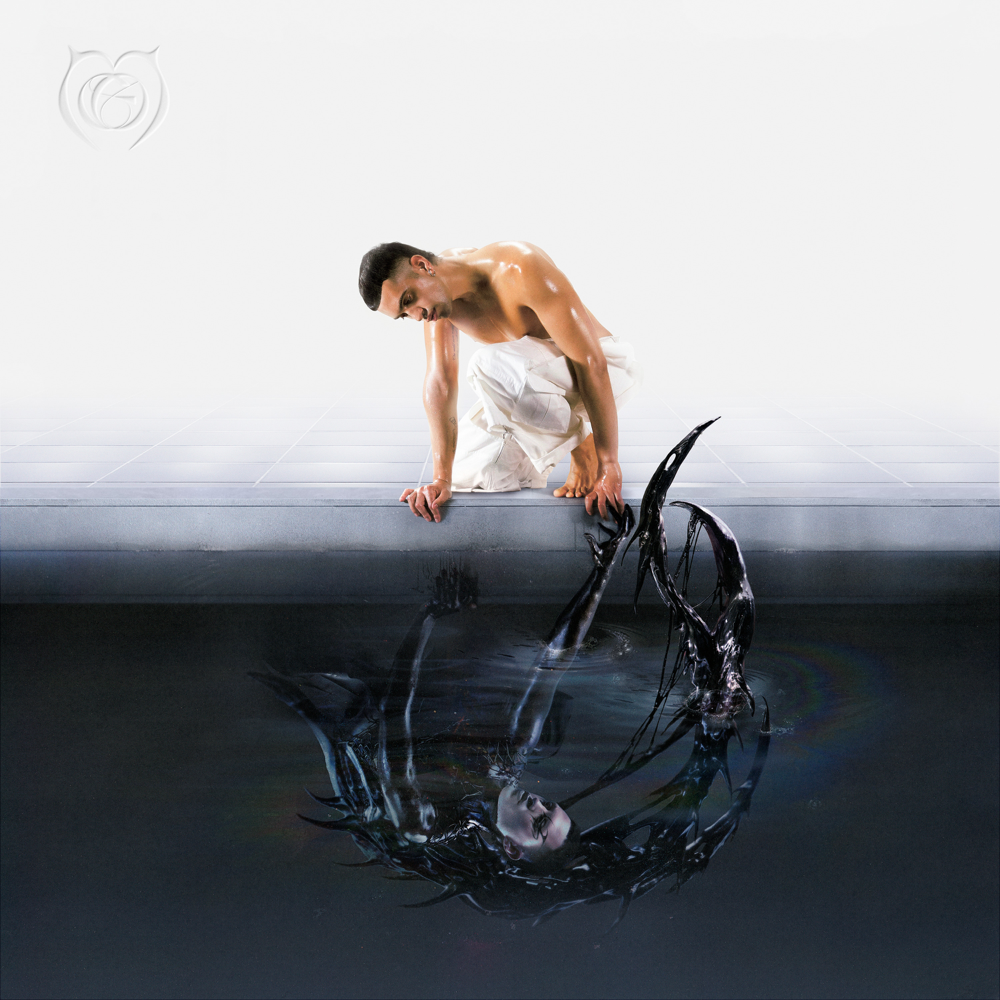
Mahmood's "Dei"—Italian for "Gods"—isn't a straightforward hymn. Instead, it's a dizzying, almost hallucinatory invocation of the classical pantheon. The lyrics, though simple, are a rush of names and images: Zeus, Hera, Hermes, Hades, Venus, Poseidon, Apollo, Athena, all jostling for space in a brief but potent incantation. The key to understanding the song meaning lies less in individual interpretations of each deity and more in the collective effect. Mahmood uses these figures not as objects of worship, but as shorthand for primal forces, anxieties, and desires that continue to shape the human experience.
The verses offer a glimpse into the artist's personal connection to this mythological landscape. "Tra le pagine vedo un mondo" ("Between the pages I see a world") suggests that this realm is discovered through stories and imagination. The line, "Mi chiedi: 'Com'è?' Non rispondo perché forse non ricordo" ("You ask me: 'How is it?' I don't answer because perhaps I don't remember") hints at the elusive nature of memory and the difficulty of articulating profound emotional states. The act of closing his eyes to return to this world implies an internal, almost meditative process. It's a space where the rational mind recedes, and the power of myth takes over.
"Dei" functions as a modern reimagining of ancient archetypes. The gods aren't presented as omnipotent rulers, but as figures caught in a perpetual dance of power and vulnerability. Apollo, the god of light and reason, *trembles*. Hades *falls*. This subversion of traditional roles underscores the song's central theme: the enduring relevance of myth in navigating the complexities of contemporary life. Mahmood isn't just reciting names; he's tapping into the raw, irrational energies that continue to drive us, suggesting that even in our secular age, we remain subject to the whims of our own internal "gods."
 View Artist