Song Meaning
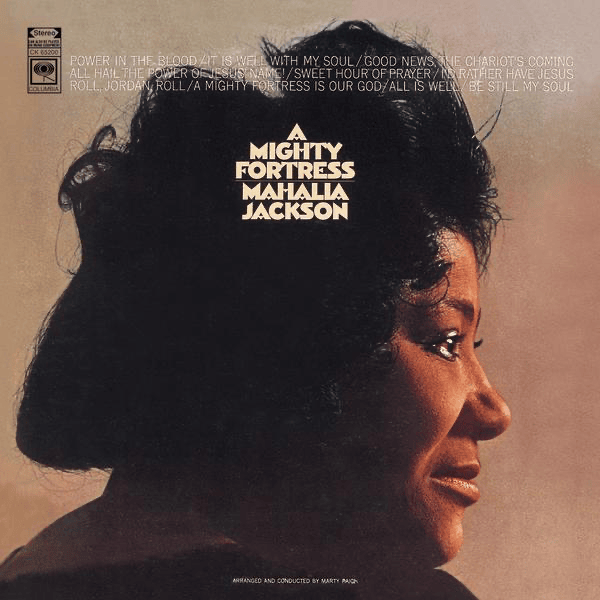
The lyrics immediately establish a stark spiritual conflict, painting a vivid picture of a divine protector against an ancient, formidable enemy. God is presented as a "mighty fortress" and a "bulwark never failing," suggesting an unshakeable defense. This opening sets a tone of urgent defense and unwavering conviction in divine power.
The central emotional tension stems from the overwhelming power of the "ancient foe" and the explicit admission of human weakness. The lyrics state that the enemy's "craft and power are great and armed with cruel hate," and that "on earth is not his equal." This formidable threat is contrasted with the candid acknowledgment that "did we in our own strength confide, our striving would be losing," creating a high-stakes scenario where human effort alone is insufficient.
A compelling craft element is the strategic identification of the divine helper. After detailing human vulnerability, the lyrics pose a rhetorical question, "Dost ask who that may be?" The answer, "Christ Jesus, it is He," followed by the ancient title "Lord Sabaoth," grounds the abstract concept of a helper in a specific, powerful figure. This shift from describing a terrifying threat to asserting an inevitable triumph – "He must win the battle" – is a powerful rhetorical move, building reassurance.
Ultimately, the lyrics are effective because they build a sense of dire need before offering an absolute solution. By first detailing the "flood of mortal ills prevailing" and the enemy's unmatched power, the declaration of God as a "mighty fortress" and the certainty that "He must win the battle" lands with profound reassurance. It's a narrative of acknowledged vulnerability transformed into unshakeable confidence through divine intervention.
 View Artist