Song Meaning
The lyrics paint a portrait of someone deeply isolated, struggling with an inherent melancholy that seems to push people away. The narrator explicitly states, "Y'a jamais rien qui me console," establishing a pervasive sense of unshakeable sadness. This isn't a temporary blues; it's a fundamental aspect of their being, making them "ombrageux comme un pin parasol" (shady like a parasol pine) and darker than an abandoned square. The feeling of being a pariah is reinforced by the observation, "Du coup on me dit pas comment tu vas," indicating a lack of social connection stemming from their perceived negativity. Their future is grimly depicted as "un caddie / Au fond du Canal du midi," a lost, submerged object suggesting hopelessness and a finality to their despair. This profound isolation leads to the departure of friends, who perceive the narrator as an "épidémie" (epidemic), something to be avoided.
The central tension arises from the narrator's self-awareness of their own negative impact, coupled with an inability to escape it. They describe themselves as "irascible" and needing to "sombre dès que j'suis de bonne humeur" (sink as soon as I'm in a good mood), highlighting a self-destructive pattern. Even moments of potential joy or new beginnings are immediately lost, like "perds toutes mes pétales" (losing all my petals) upon hatching. This internal conflict is externalized through others' perceptions: "il est bizarre" (he's weird) and the poignant observation from their mother, "Toi où que t'ailles tu fais pleurer les statues" (Wherever you go, you make statues cry). This suggests a deep-seated aura of sadness that affects everything and everyone around them.
A striking piece of craft is the use of stark, often contradictory, imagery to convey the narrator's internal state. They claim to be "lumineux comme un réverbère en banlieue" (bright like a suburban streetlight), but the context of a lonely streetlight in a suburb implies a harsh, artificial, and solitary light rather than warmth or welcome. This contrasts with their self-description as "plus sombre qu'un square où personne ne va" (darker than a square where no one goes). Their words are described as "phrases sont des épitaphes / Qui ont fait adieu à leur taff" (phrases are epitaphs / That said goodbye to their job), suggesting their communication is final, somber, and devoid of purpose or life. Even their "petite mélancolie" (little melancholy) is so potent it makes Debussy sound like a cheerful, simple tune, emphasizing the overwhelming nature of their sadness.
Ultimately, the lyrics resonate because they articulate a profound, almost existential, sense of being a burden and an outcast, not through overt anger, but through a weary, self-deprecating resignation. The repeated refrain, "Et t'as mal où / C'est là c'est là," acts as a constant, almost clinical, inquiry into the source of pain, but the narrator's responses are descriptions of their own inherent negativity and isolation. This creates a powerful sense of inescapable suffering, where the pain isn't a specific event but the very fabric of their existence, making the listener confront the bleakness of a soul that feels perpetually out of sync with joy and connection.
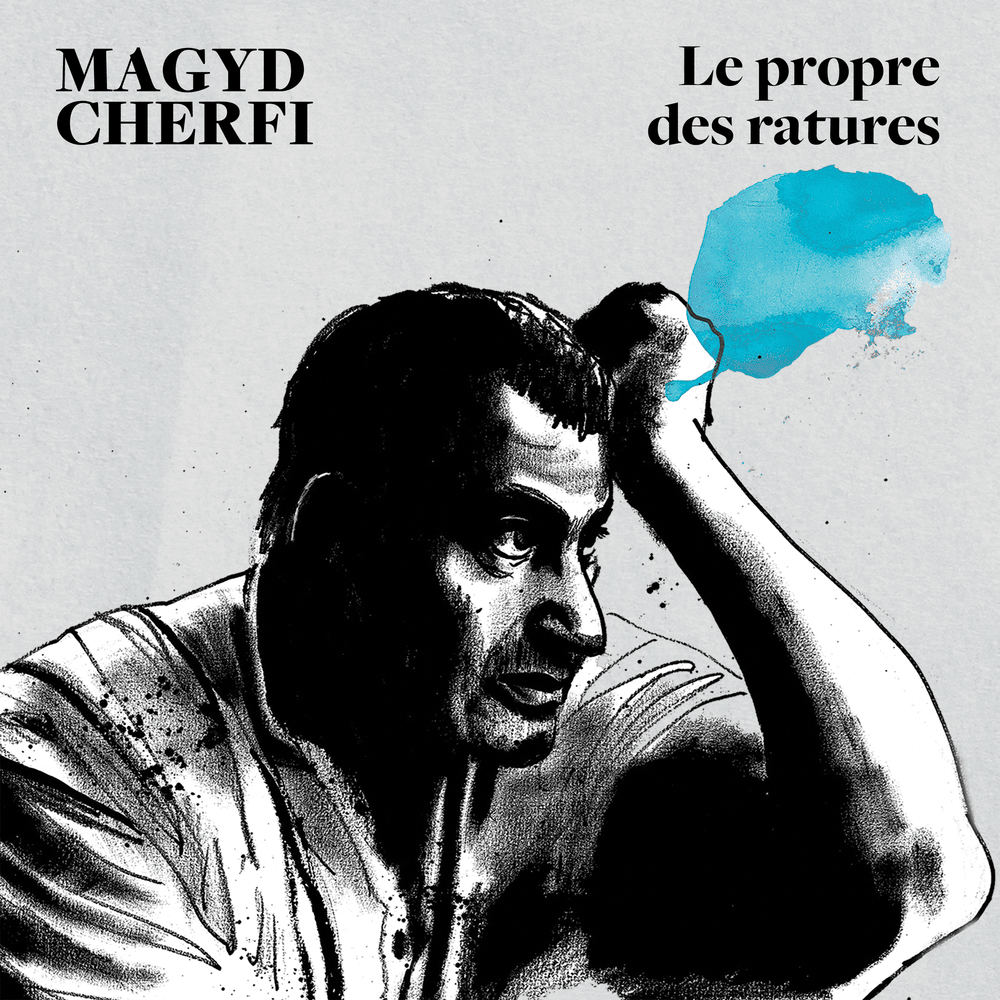
 View Artist