Song Meaning
The lyrics present a humble, hardworking figure, the "jumento" (donkey), who is far from the "great trickster of the square." This creature toils without complaint or recognition, performing essential labor for others. It's described as gentle and unassuming, never causing trouble, yet carrying the weight of provisions like bread, flour, beans, and dried meat, as well as fruits and building materials like sand, cement, and bricks. The repetitive listing of these goods emphasizes the sheer volume and variety of the burdens it bears.
The central tension arises from the contrast between the jumento's constant, unrewarded labor and its potential for rebellion. While it's characterized as docile and unproblematic, the lyrics hint at a breaking point: "But when the carcass threatens to crack." This moment of extreme strain is met with a powerful, almost violent outburst – "What kicks, what kicks, what kicks it gives." This suggests that the creature's quiet endurance has limits, and when pushed too far, its suppressed frustration erupts.
The most striking aspect of the craft is the juxtaposition of the jumento's meekness with its explosive reaction. The repeated phrase "Jumento não é" (The donkey is not) serves to dismantle a negative stereotype, only to reveal a deeper, more complex truth about its capacity for resistance. The "Hi-ho" refrain, often associated with weary labor, underscores the relentless nature of its work, while the final, drawn-out "Hi-hooooooooo" following the description of its kicks amplifies the raw, pent-up energy finally unleashed.
This writing is effective because it uses the simple, relatable image of a beast of burden to explore themes of exploitation and suppressed anger. The lyrics build a picture of quiet suffering, making the eventual outburst of "kicks" feel both surprising and earned. It forces the listener to reconsider the silent laborers around them, recognizing that even the most docile can reach their limit, and that their suppressed struggles can manifest in powerful, unexpected ways.
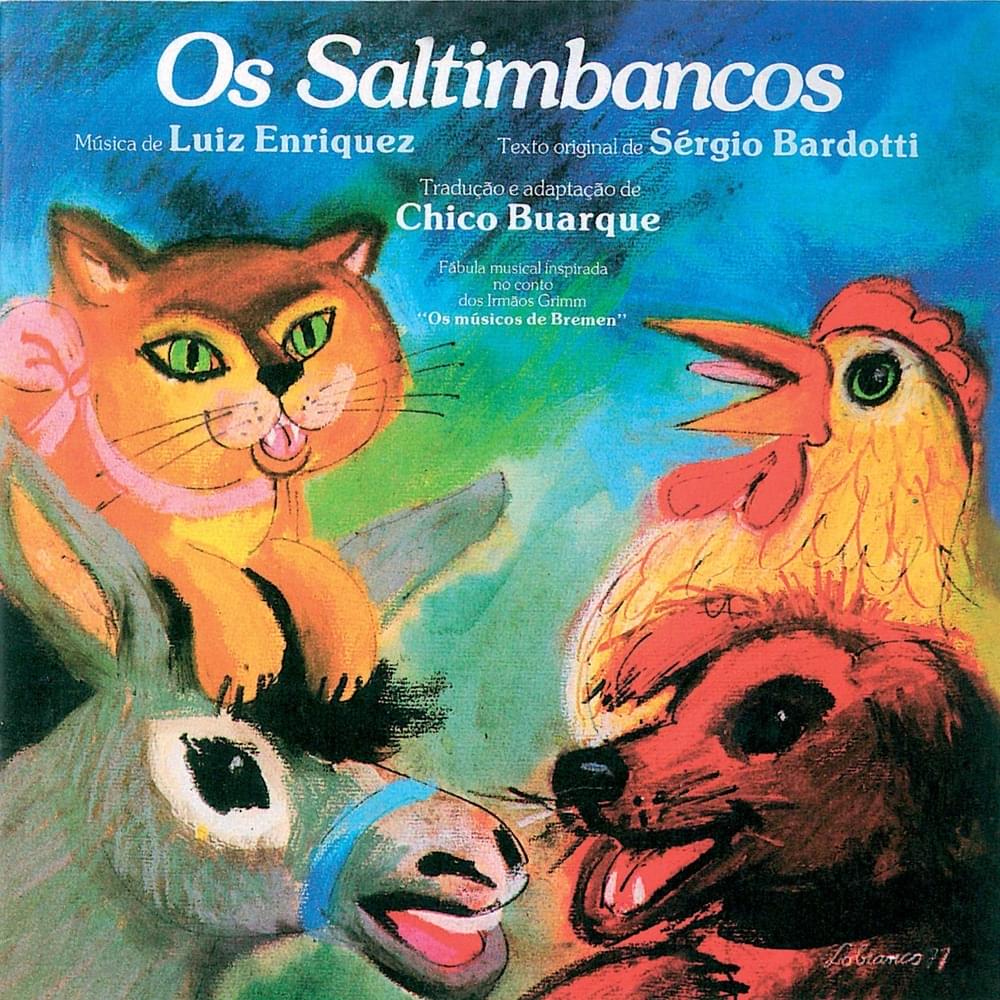
 View Artist