Song Meaning
The lyrics paint a primal picture of Earth's origins, where rivers were lifeblood and mountains formed skin. This initial state was one of perfect, natural harmony. It sets a stark contrast for the arrival of humanity, immediately characterized as the planet's most cruel and capricious inhabitant. This introduction establishes a powerful, almost biblical tone, framing humanity's impact as a disruptive force.
The central conflict is the clash between this pristine, harmonious 'Madre Tierra' and the destructive nature of humankind. The narrator, identifying as Gaia, directly confronts this imbalance, calling humanity "supposedly intelligent" and blaming its downfall on "greed, violence and intolerance." This isn't just an observation; it's a declaration of war against the destructive tendencies that have marred the planet's natural order.
The most striking craft element is the personification of the Earth itself as a living, breathing entity – Gaia. The lyrics use vivid metaphors, comparing rivers to arteries and mountains to skin, immediately grounding the abstract concept of nature in visceral, biological terms. This powerful imagery makes the subsequent accusation against humanity feel intensely personal and deeply wounding, as if a mother is lamenting the abuse inflicted upon her by her own child.
This intro hits hard because it bypasses complex narratives and goes straight for an elemental, almost mythic confrontation. By framing the Earth as a sentient mother figure betrayed by her creation, the lyrics create an immediate emotional weight. The final, ominous promise, "All the harm you do to me, I will return to you," isn't just a threat; it's a prophecy rooted in the very fabric of existence, making the listener feel the impending consequences of human actions.
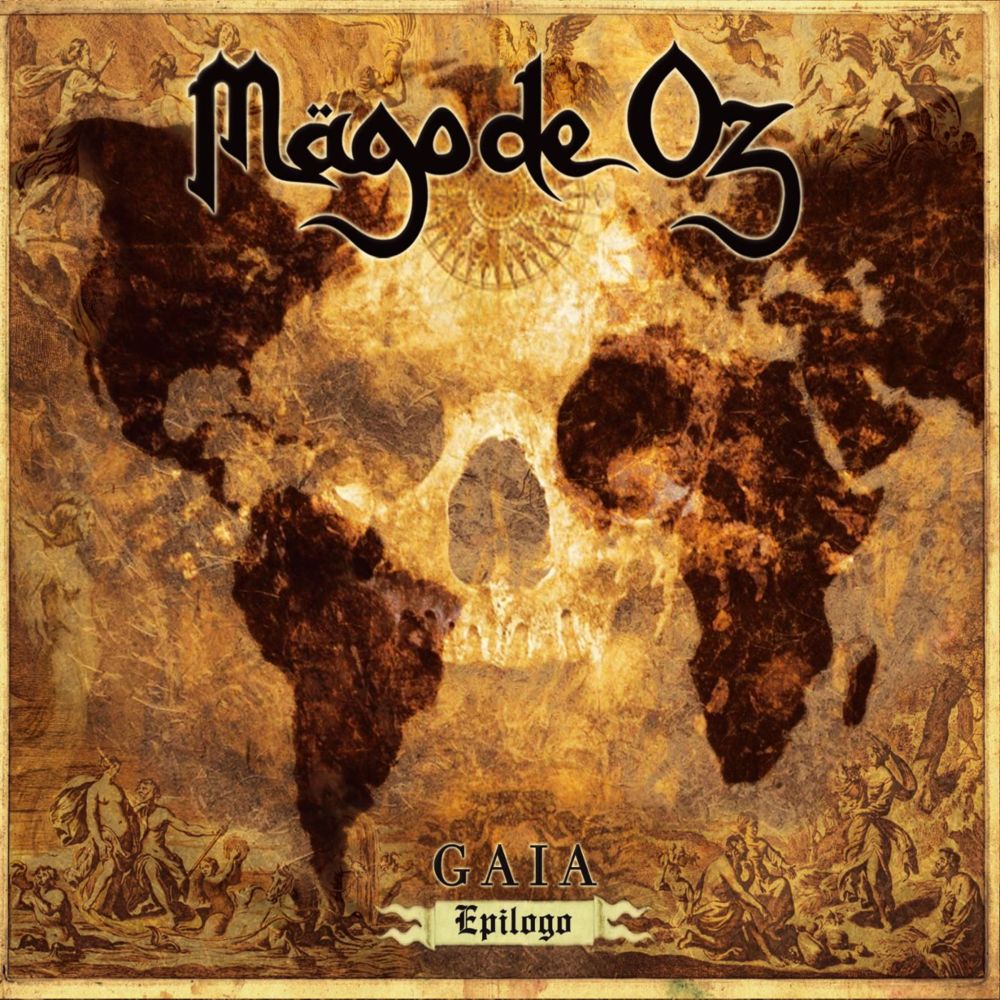
 View Artist