Song Meaning
The lyrics paint a stark contrast between a vibrant, invincible past and a mundane, settled present. The opening questions, "Vart tog du vägen? Åren går" (Where did you go? The years pass), immediately establish a sense of loss and the passage of time. The narrator reflects on a shared youthful belief that they would never forget or stop dreaming, a stark counterpoint to the current reality where their shared past seems to have vanished "Lika fort som vi levde då, vi brann" (As fast as we lived then, we burned). This sets up a core tension: the memory of an intense, all-conquering youth versus the quiet, almost anonymous lives they now lead.
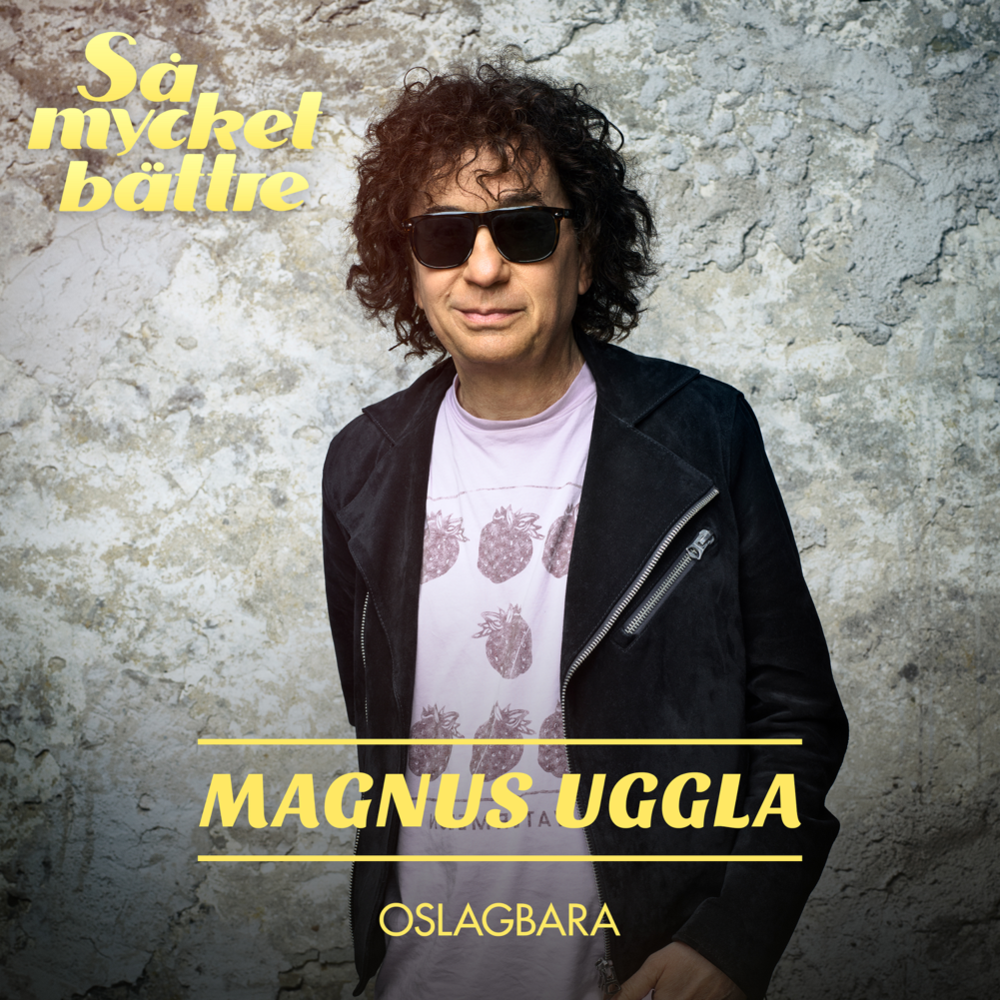
The chorus, "Vi var oslagbara" (We were invincible), acts as a powerful anchor to this past. It conjures images of youthful confidence and boundless possibility: "Vi sköt från höften" (We shot from the hip), "Vi hade svaret på allt" (We had the answer to everything). The world was theirs for the taking, a time of effortless success and endless nights. This idealized memory is amplified by the external validation of "Alla flickor log" (All the girls smiled), suggesting a period where life felt charmed and every interaction was a win. The repetition of the chorus throughout the song reinforces the weight of this memory, a golden age that defines the present by its absence.
The second verse details the quiet, almost domestic present: "Jag går till jobbet, kommer hem" (I go to work, come home). The narrator has achieved conventional success – "skaffat allt som jag behöver, fina möbler" (gotten everything I need, nice furniture) – and finds happiness in routine, "läser sagor, lagar mat" (reading fairy tales, cooking food). The parallel existence of the person addressed in the song, living "i ett hus lever du likadant / Med kvinna och barn" (in a house you live the same way / With woman and child), highlights a shared trajectory into ordinary adulthood. This mundane reality is the antithesis of the "invincible" past, creating a poignant sense of what has been gained and what has been lost.
The bridge and outro bring the past and present into a more direct, albeit awkward, confrontation. The idea of meeting again, "Då ses vi väl ibland" (Then we'll see each other sometimes), is tinged with a subtle disconnect. The narrator anticipates sharing details that the other person likely won't truly hear or comprehend, suggesting that their shared past is now a gulf separating them. The repeated "Oslagbara, oslagbara" (Invincible, invincible) becomes almost a lament, a ghost of their former selves echoing in the quiet present. The effectiveness lies in this quiet resignation; the lyrics don't rage against the dying of the light but rather observe its gentle fade, making the memory of being "invincible" all the more potent and bittersweet.
 View Artist