Song Meaning
The lyrics paint a picture of a struggling artist or band playing in a dimly lit, unappreciative venue called Malachy's. The immediate environment is filled with dismissive figures: Eddie dislikes the music, Tom critiques the sound, and a bearded man leaves early, only to laugh later. This creates a palpable sense of being misunderstood and ignored, a stark contrast to the hopeful aspirations mentioned later. The repeated critique of the "beat was wrong" and "treble was high" highlights a fundamental disconnect between the performers and their audience, or perhaps even their own creative choices.
The central tension lies between the harsh reality of their current reception and the persistent belief that they will "make it someday." This hope is fueled by the collective sentiment at Malachy's, where everyone seems to share the same dream of future success. However, this shared delusion or genuine optimism is undercut by the individual dismissals and the overall lack of engagement from people like the bearded man, who seems detached and even mocking. The narrator’s internal world, focused on a specific "you," offers a refuge from this external indifference.
The most striking craft element is the shift in the chorus, where the focus moves from the unsupportive crowd to an imagined listener. The narrator sings and writes "to you," as if this person were present, even sitting "at the table by the door" or able to feel the music "in the bottom of your heart." This imagined connection provides an emotional anchor, suggesting that the performance, despite its failures, is ultimately for someone specific, offering a private solace or a dedication that transcends the public's indifference. The contrast between the external chaos and the internal, imagined audience is where the song’s emotional weight resides.
This lyrical approach is effective because it grounds the universal struggle of artistic pursuit in specific, relatable moments of rejection and private fantasy. The mundane details of bad sound and early departures make the dream of making it feel both more poignant and more earned. The imagined listener in the chorus transforms the act of performing from a desperate plea for validation into an intimate, albeit solitary, act of creation and connection, making the listener feel the quiet ache of ambition and the solace found in a private muse.
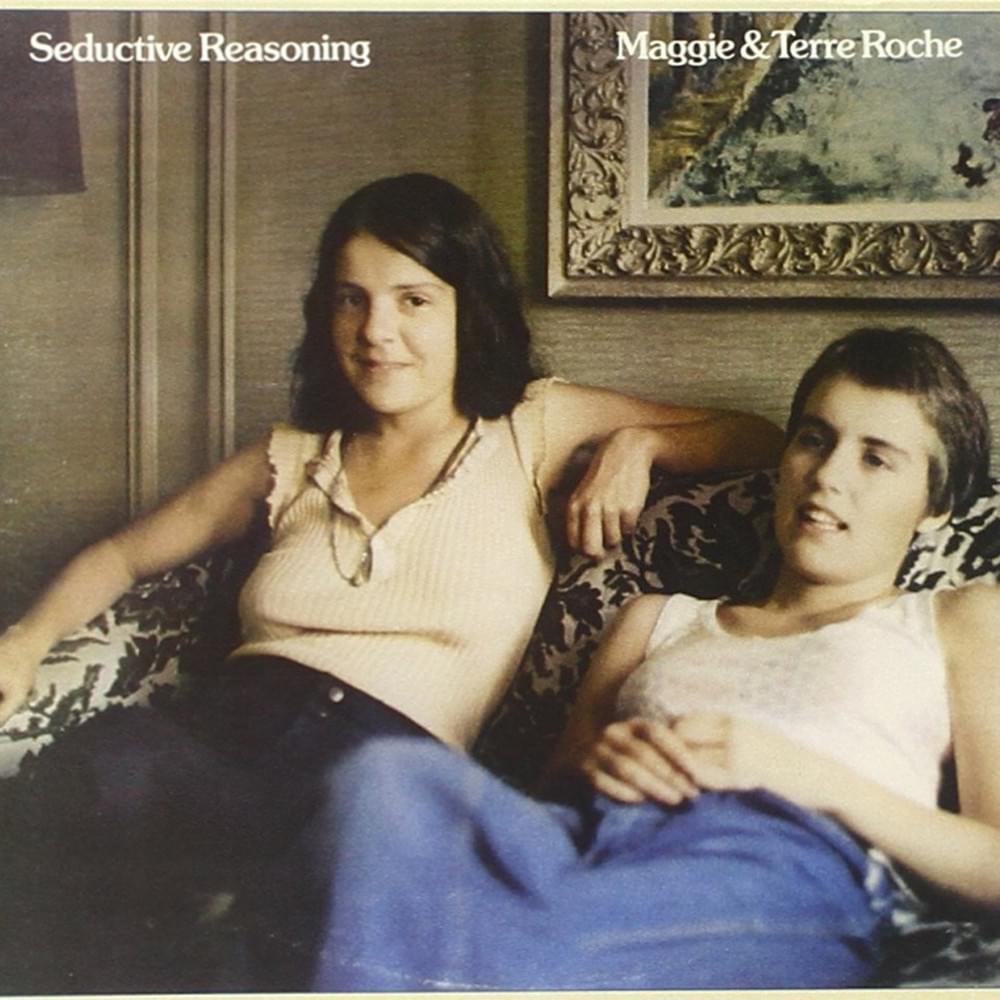
 View Artist