Song Meaning
The lyrics paint a surreal, almost Dadaist picture of existence, starting with a primal scene of creation and evolution. We see "bits of spirits" and "pieces of apes" set against a backdrop of "ice and iron," immediately establishing a sense of raw, unformed beginnings. This is juxtaposed with the stark, almost clinical command: "Keep fit - Survive," suggesting a harsh, imposed directive on this nascent life. The imagery shifts to a more chaotic, almost nightmarish natural world where "primitive Jeeps crushed fossils" and "mutilated fruit" hang from trees, hinting at a destructive force or a distorted reality. The phrase "chandelier-sized flowers" adds a touch of bizarre grandeur to this unsettling landscape.
The central tension seems to revolve around the struggle for self-awareness and identity within this disorienting existence. The repeated refrain, "You won't recognise yourself till you come alive," acts as a desperate plea or a cryptic instruction, implying a state of being that is currently unrecognized or dormant. The bizarre assertion that "Pepsi-Cola... brings your ancestors back from the grave" is a jarring, almost absurd commentary on modernity and consumerism, suggesting that manufactured desires or products are presented as a means of connecting with or reviving the past, a hollow substitute for genuine life. This disconnect is further emphasized by the image of the "Swiss pathologist" missing a flight at a fantastical "Leonardo da Vinci Intercontinental Airport," a mundane failure amidst grand, anachronistic settings.
The lyrics employ a disorienting, non-linear narrative that mirrors the confusion of consciousness. The abrupt shift to the asteroid impact and the "mutilated" human brain, with its cortex "stuck at an awkward angle," creates a powerful image of flawed, perhaps accidental, sentience. The first words attributed to this being, "What have I done to deserve the sun!" and "What have I done to deserve the rain!" are profoundly existential, questioning the very nature of existence and suffering. They reveal a nascent consciousness grappling with the fundamental forces of nature, not with gratitude, but with a sense of bewilderment and perhaps even accusation. This raw, unfiltered questioning is the core of the "coming alive" the lyrics allude to, a painful awakening rather than a triumphant one.
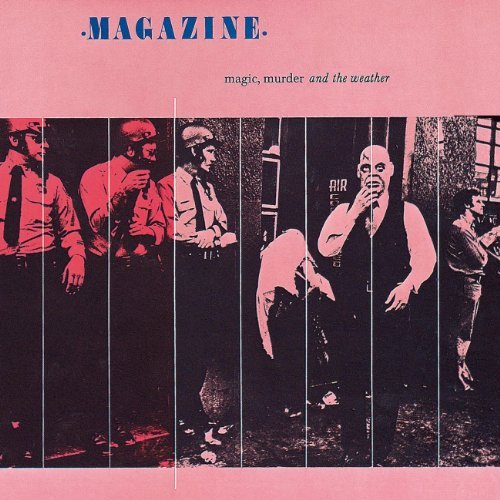
 View Artist