Song Meaning
The familiar sound of Christmas bells initially evokes a sense of hopeful tradition, playing out the well-worn message of "peace on earth, good will to man." This idealized image of a world united in song is quickly contrasted with a stark personal despair. The narrator declares, "There is no peace on earth I said," directly confronting the dissonance between the carol's promise and a perceived reality of pervasive hate.
The central tension lies in this jarring disconnect between the idealized, communal message of the bells and the narrator's profound personal disillusionment. The lyrics highlight how deeply ingrained the message of peace is, yet how fragile it feels when faced with the harshness of the world. The repetition of "peace on earth, good will to man" becomes almost a taunt, underscoring the gap between aspiration and lived experience.
The turning point arrives with the bells ringing "more loud and deep," suggesting a renewed, more powerful assertion of faith. This shift pivots from despair to a defiant hope, proclaiming, "God is not dead nor does he sleep." The lyrics propose that despite present struggles, ultimate "right prevail[s]," re-anchoring the message of peace not just in human desire, but in divine assurance.
This song's effectiveness stems from its honest portrayal of doubt before reaffirming faith. It acknowledges the pain of seeing the world fall short of its ideals, making the eventual embrace of hope feel earned rather than simply stated. The contrast between the narrator's initial despair and the final, resounding affirmation of peace makes the message land with significant emotional weight.
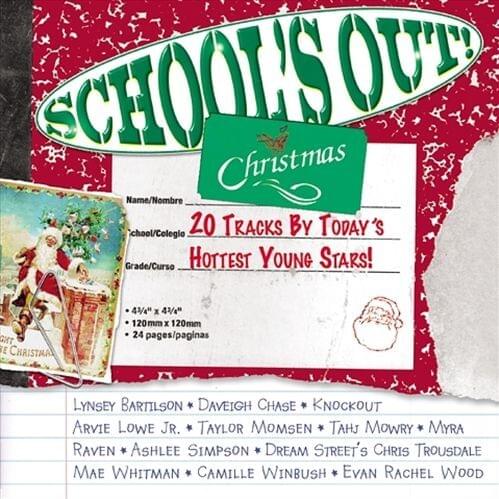
 View Artist