Song Meaning
This track kicks off with a raw declaration of self-inflicted wickedness, a stark contrast to the narrator's vulnerability. The opening lines, "Folks, I'm evil, mean as I can be," immediately set a tone of defiance, but it's quickly undercut by the admission that the object of their affection is indifferent. This isn't just a blues lament; it's a self-aware performance of bad behavior fueled by unrequited love.
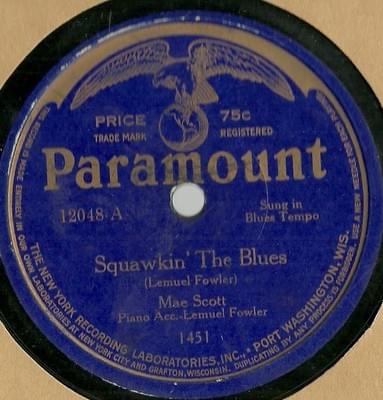
The central tension arises from this unreciprocated affection, driving the narrator to "runnin' wild." The phrase "squawkin' these old blues" suggests a vocal, almost desperate expression of this pain. The lyrics imply a cycle of destructive behavior, where the narrator's actions are a direct, albeit misguided, response to their lover's neglect.
The most striking shift comes in Verse 3, where the narrator issues a chilling warning to other women. The imagery of a lover who might "flag my train" and "let him ride" is a potent, albeit veiled, threat. This suggests a predatory edge born from their own suffering, a desire to inflict similar pain or perhaps reclaim what was lost by disrupting another's happiness. The subsequent plea in Verse 4, "Please don't you tell on me," frames their "stealin'" not as simple theft, but as an attempt to recover a lost past, a "used-to-be" that their current situation has seemingly erased.
Ultimately, the effectiveness of these lyrics lies in their unflinching portrayal of a complex emotional state. The narrator is both the victim of love's cruelty and an active agent of chaos, their "evil" persona a shield for deep hurt. The final verse, with its peculiar imagery of a "hambone boiled" and spoiled, offers a final, unsettling glimpse into a world where even basic nourishment or care is neglected, mirroring the narrator's own emotional starvation and the potential decay of their spirit.
 View Artist