Song Meaning
The lyrics paint a picture of a tense, almost desperate plea for a temporary pause before a significant, perhaps irreversible, departure. The opening lines, "Hush / Sleep tonight / Stop the moon / In its flight," create an immediate sense of urgency and a desire to freeze time. This isn't a lullaby; it's a command to halt the natural progression of things, suggesting a profound reluctance to face what comes next. The narrator seems to be trying to control the uncontrollable, aiming to preserve a fragile moment before it inevitably dissolves.
The core tension lies in the conflict between the desire for stillness and the inevitability of movement and change. The narrator urges someone to "Stay awake / One last night," a paradoxical instruction that highlights the fear of slumber, which might signify the end of their current reality or the beginning of the dreaded next phase. This is juxtaposed with the preparation for a journey: "Leave behind / All my clothes / All I need is my father's old coat / Slipping on / Travelling shoes." The act of shedding possessions and donning specific items suggests a deliberate, perhaps ritualistic, transition into an unknown future, where the only essential comfort is a connection to the past.
The most striking imagery revolves around the physical manifestations of past pain and commitment. The narrator reveals a scar "Where I carved your name / Into my arm," a visceral testament to a deep, self-inflicted bond. This raw detail contrasts sharply with the later plea, "Love, please burn to the ground / Some other day / When there's no-one around." It suggests a desire to sever ties, but only when the emotional stakes are lower, implying that the current intensity of this love, or the pain associated with it, is too overwhelming to confront directly. The question "Oh do we waste away / On perfect, sunny days?" hints at a suspicion that comfort and ease might be more detrimental than hardship, a sentiment that fuels the drive to move forward despite the fear.
These lyrics resonate because they capture a universal feeling of being on the precipice of something significant, grappling with the fear of loss and the necessity of change. The raw, almost confessional tone, particularly in the description of the scar, grounds the abstract desire to escape in concrete, painful experience. The writing effectively uses sharp contrasts—stillness versus movement, past pain versus future uncertainty, the desire to leave versus the plea to stay—to articulate a complex emotional state. The narrator’s voice feels authentic in its vulnerability and its desperate, if somewhat irrational, attempts to control fate.
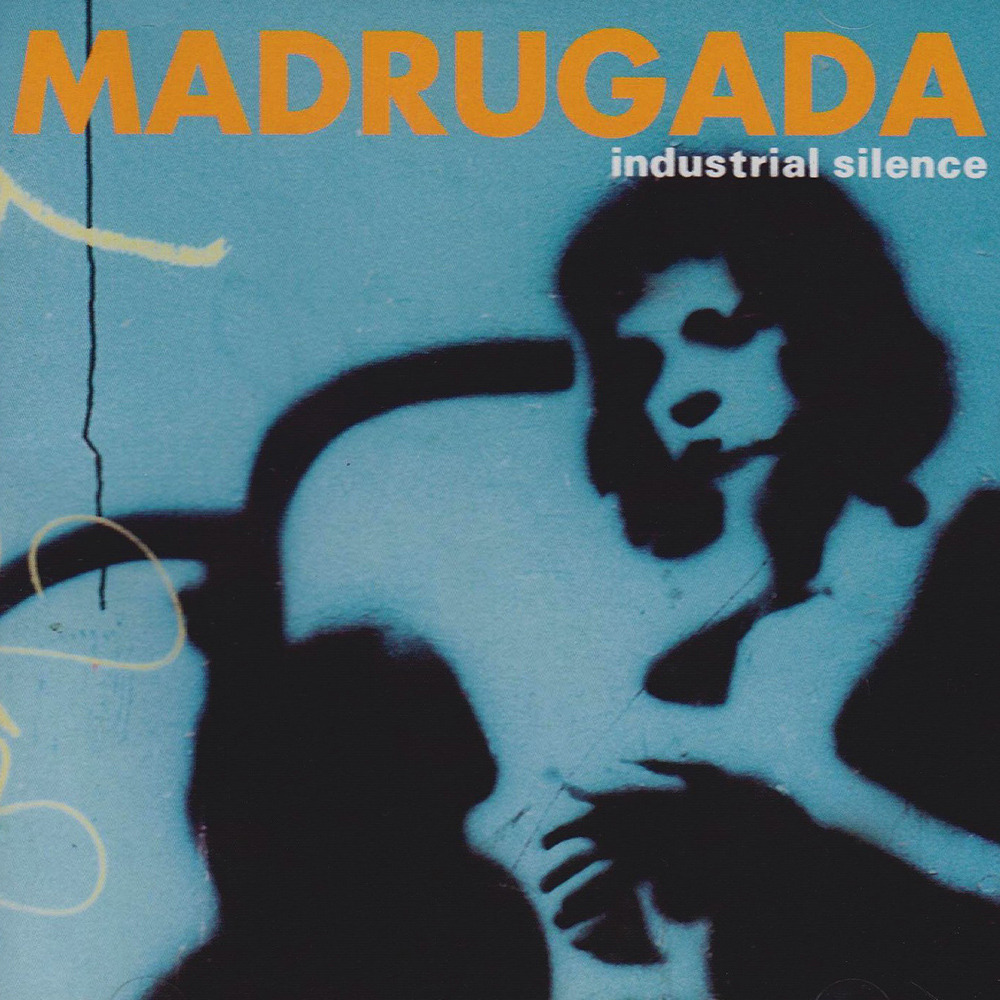
 View Artist