Song Meaning
The narrator opens with a simple, almost childlike yearning for continuous happiness, a desire for "more joy" that would run "all year round." This initial plea is direct and unadorned, setting a tone of profound, unmet longing. However, this wish quickly collides with a stark reality: "But it wasn't, it wasn't quite, my case." The immediate contrast between the ideal and the actual is the song's foundational tension.
The core conflict emerges from a sense of missed opportunity and self-awareness. The narrator admits, "I also already knew / I already knew / Knew what the mistake was." This isn't a sudden tragedy but a recognized error: "I didn't have what I wanted, when I could." This regret is compounded by the idea that after this missed chance, "then, someone else, never again," suggesting a permanent loss or a relationship that ended because of this failure to seize the moment.
The phrase "not too distant" acts as a recurring, almost haunting refrain, creating a temporal paradox. The narrator is told to "Return on a day, not too distant," implying a future possibility for reconciliation or recapturing lost feelings. Yet, the context suggests this future is perpetually out of reach, or perhaps the memory of the past – the "enchantment" that was taken when someone left – is what lingers. The narrator now cries "for so much joy," a twist where happiness itself becomes a source of sorrow because it was not experienced or is now lost.
This lyrical structure masterfully conveys the ache of regret. The repetition of "not too distant" underscores the elusive nature of both the past and a desired future. The narrator's present sorrow stems not just from what was lost, but from the painful clarity of knowing exactly what was missed and when. It’s the specific, self-inflicted nature of the loss, coupled with the fading hope of return, that makes the lament so potent.
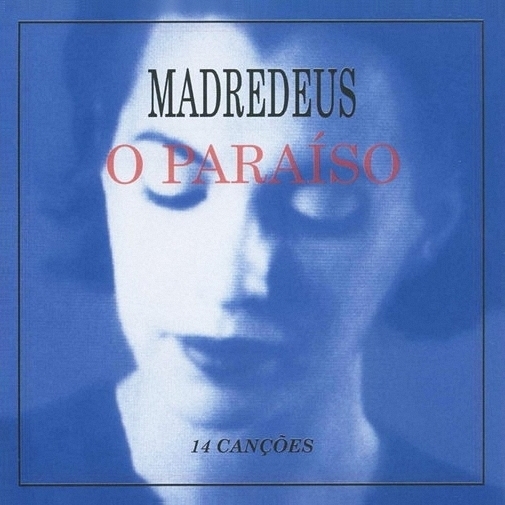
 View Artist