Song Meaning
The lyrics paint a chillingly detached portrait of a medical professional delivering devastating news. Initially, the tone is almost patronizingly casual, addressing "Mrs. Hutchinson" with platitudes about health and remedies. This superficial concern quickly dissolves as the situation escalates, revealing a stark contrast between the initial reassurances and the grim reality of a serious, potentially fatal illness. The repeated "Well Mrs. Hutchinson" acts as a recurring, almost ritualistic marker before each new piece of information, underscoring the narrator's procedural approach to delivering bad tidings.
The central tension lies in the narrator's clinical detachment versus the profound gravity of the situation. Phrases like "it's not what I supposed" and the vague "under the ribs or one of the glands" suggest an initial underestimation, followed by a more direct, albeit still somewhat impersonal, diagnosis. The shift from addressing Mrs. Hutchinson directly to speaking to "son" highlights a transition from managing the patient to informing the family, a procedural step that feels cold given the circumstances. The narrator's insistence on "competent hands" and the practical advice to "eat up your breakfast" and "stick to your diet" feel jarringly out of place against the backdrop of severe illness.
The most striking aspect of the craft is the narrator's use of seemingly mundane instructions and reassurances as a buffer against the unfolding tragedy. The advice to "eat up your breakfast" and "don't smoke, it stunts your growth" is delivered with the same cadence as the pronouncement of severe illness. This juxtaposition creates a profound sense of unease, suggesting a system or individual that prioritizes procedure and normalcy even when faced with life-altering news. The finality of "Your mother will not last a week" followed by a simple "Shame" encapsulates this unsettling blend of clinical duty and emotional void.
This lyrical approach is effective because it forces the listener to confront the dehumanizing potential of clinical communication. The narrator isn't overtly cruel, but their methodical delivery and misplaced advice highlight how professional detachment can inadvertently amplify the pain of bad news. The lyrics don't offer catharsis; instead, they leave the listener with a lingering sense of dread and a critical perspective on how difficult truths are often conveyed, making the emotional impact stem from what is *not* said or felt by the narrator.
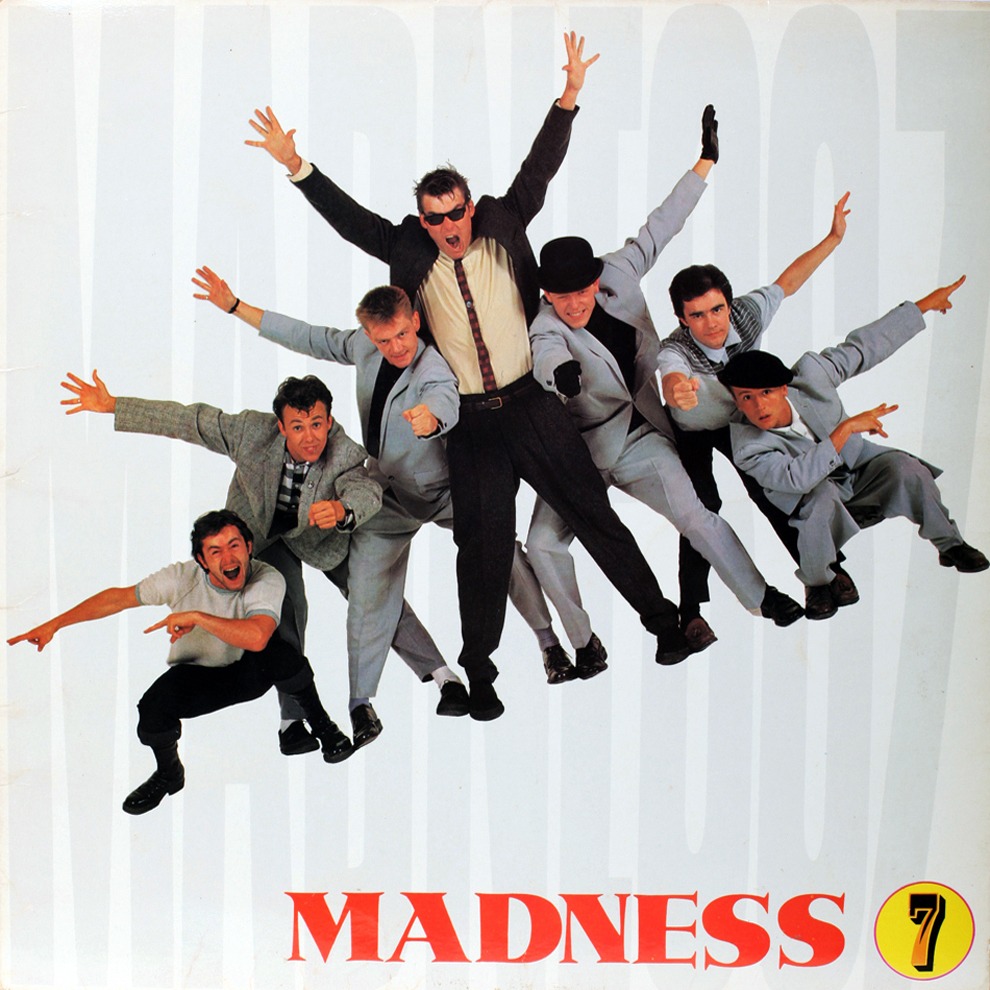
 View Artist