Song Meaning
The lyrics paint a stark portrait of a man trapped by societal expectations, performing the role of "a man" without true agency. He walks, talks, and acts as dictated, yet the narrator observes a profound disconnect: "this man's unaware." This awareness gap is central, suggesting a performance of masculinity that masks an underlying naivete or immaturity, a "child in a world" that feels overwhelming and unforgiving. The repetition of "A man walks like a man / A man talks like a man" establishes a rigid, almost robotic, conformity that the subject seems to embody without question.
The core tension arises from the contrast between this outward performance of manhood and the internal reality of the subject's vulnerability. He "beats down a door" only to find a world that "won't be kind," a powerful image of futile effort against an indifferent or hostile reality. The lyrics highlight his unrewarded striving, "See him run just for other men's needs / See him try and turn the tide," only to be met with universal failure, "But see him get burned / On every side." This cycle of effort and rejection underscores the tragic nature of his situation.
The most striking aspect of the writing is the recurring motif of the "child in a world" that is simultaneously "too big for his dreams" and later, "too small for a king." This framing is crucial; it suggests the subject is ill-equipped for the vastness of existence and also fundamentally unsuited for any kind of true dominion or self-determination. The final stanza introduces a twist: despite his apparent helplessness, "this man won't go down." He appears ready to sacrifice himself "So that other men can try / To just make a stand," a poignant, almost Christ-like, image of martyrdom for the sake of a better, perhaps more authentic, future for others. This selfless, albeit perhaps misguided, final act is what truly defines him as the "child" – still innocent in his ultimate sacrifice, even as he performs the ultimate act of a man.
Ultimately, the lyrics resonate because they capture a universal feeling of being out of sync with the world, of performing roles that don't quite fit. The power lies in the specific, almost clinical, observation of this disconnect, juxtaposed with the subject's quiet, unacknowledged heroism. The narrator's sympathetic yet detached gaze allows us to see the tragedy and the quiet dignity in a man who is both a pawn and, in his own way, a martyr, forever a child navigating a world that demands a man's strength but offers little reward.
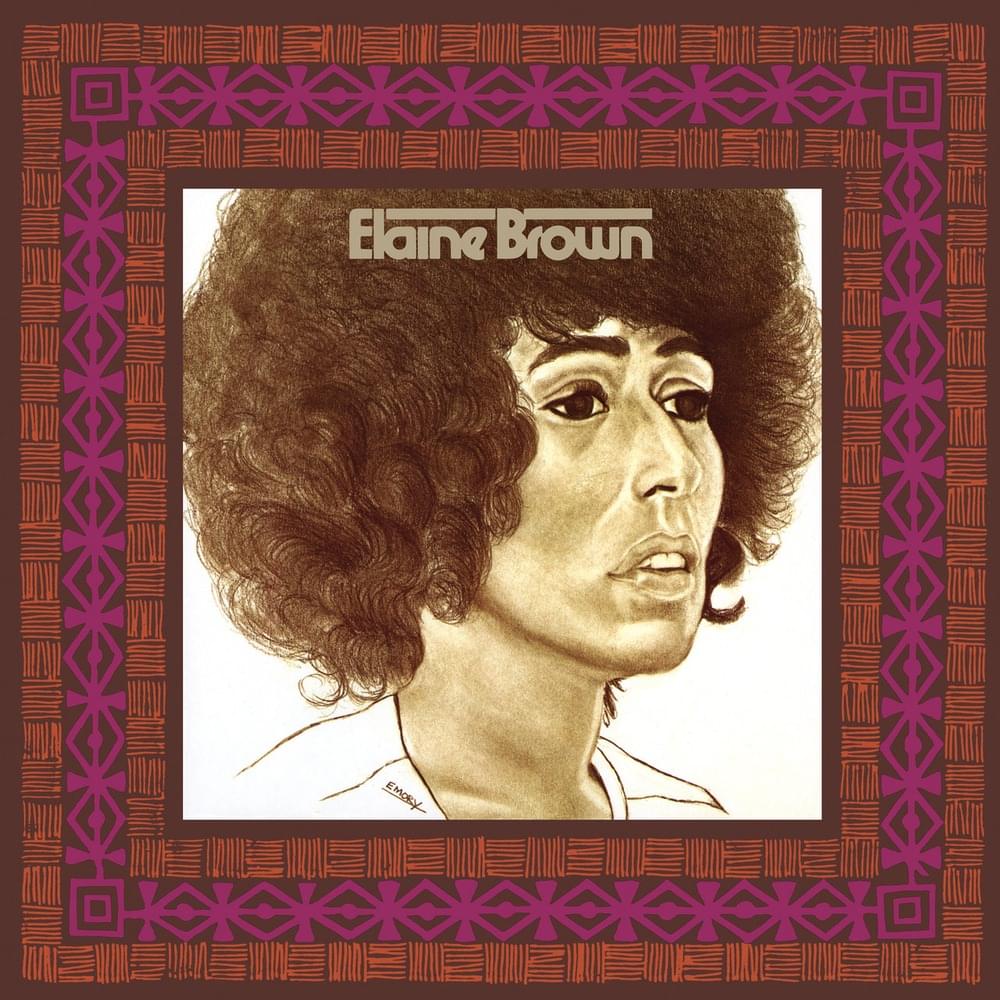
 View Artist