Song Meaning
The narrator’s summer is a disorienting, isolating experience, marked by a profound sense of inadequacy. The opening lines immediately establish a feeling of being off-kilter, with "cherries on the floor" suggesting a domestic scene that’s fallen into disarray, amplified by the absence of visitors. This isn't a carefree summer; it's a period of internal struggle, where the narrator feels unable to match a certain "rhythm" or cadence, specifically contrasting themselves with someone else. This inability to connect or perform as expected creates a palpable sense of unease.
The core tension arises from the narrator's desperate need for connection versus their perceived inability to communicate effectively or be the person they believe is desired. They engage in "talkin', kinda without a reason," a performance aimed at saying "the right thing," yet this effort is explicitly directed away from the person they seem to be addressing. The repeated plea, "get me on the phone, I'm sufferin'," underscores a deep-seated fear of solitude and a reliance on external validation, a dependency that feels particularly acute in contrast to the implied self-sufficiency of the other person.
The lyrics gain a stark emotional weight through unsettling imagery and direct self-deprecation. The shift from "cherries on the floor" to "blood on my bed" is a jarring escalation, hinting at a deeper, more visceral distress than initially suggested. The desire to be "small and underwhelming" reveals a profound self-loathing, a wish to disappear rather than face the perceived judgment or expectation. This internal conflict is powerfully articulated through the repeated, almost chanted, refrain "I'm not like you," which functions as both an admission of failure and a desperate attempt to define oneself against an idealized other.
Ultimately, the effectiveness of these lyrics lies in their raw portrayal of social anxiety and the painful awareness of one's own perceived shortcomings. The narrator’s struggle isn't about external events but an internal battle with self-worth, amplified by the pressure of a season often associated with ease and connection. The specific, almost mundane details like "cherries on the floor" ground the abstract feeling of inadequacy in a tangible, unsettling reality, making the narrator's suffering feel immediate and deeply personal.
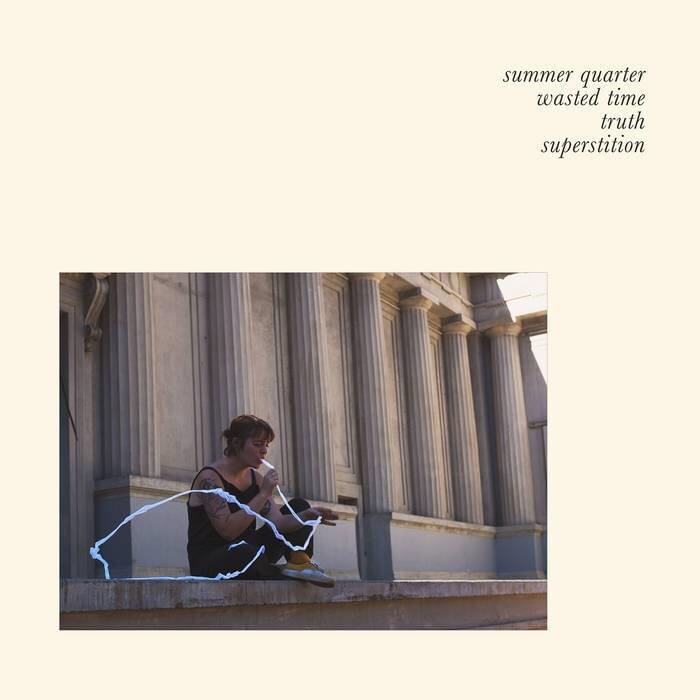
 View Artist