Song Meaning
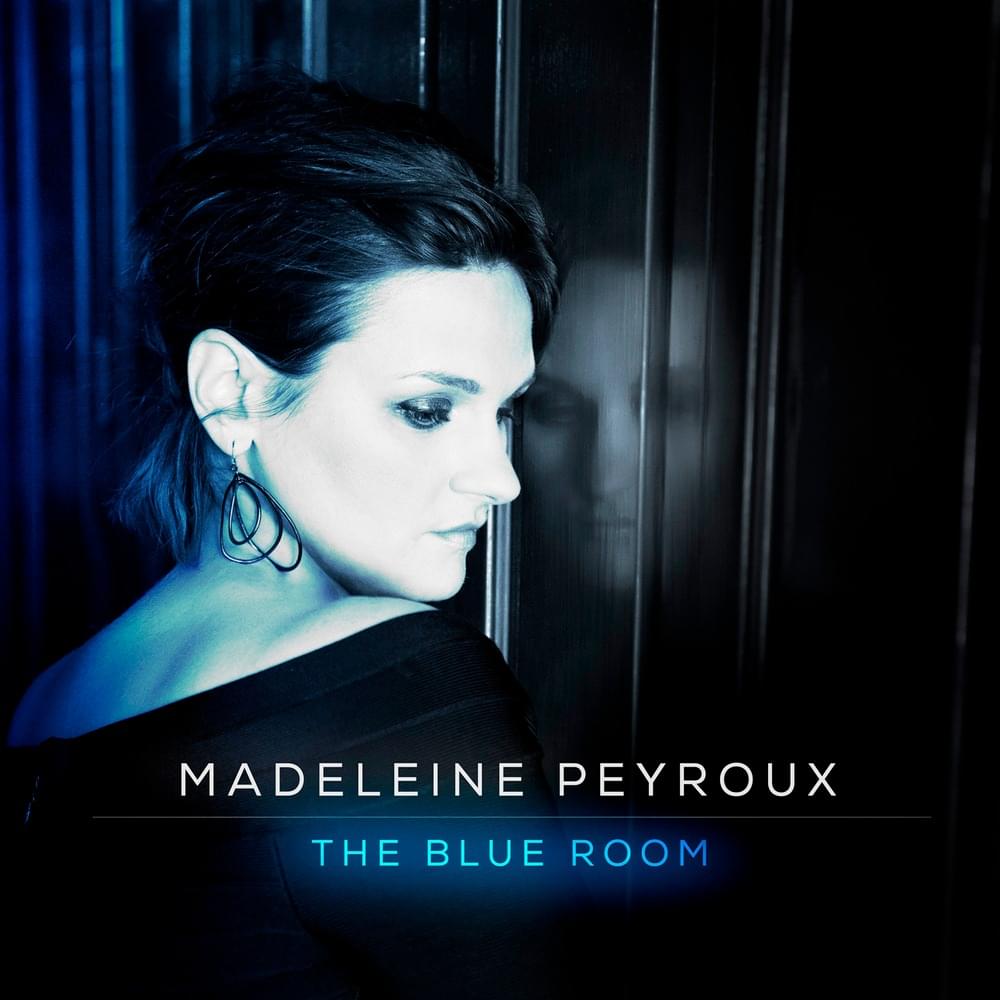
{"song_id": 11901016, "meaning": "Madeleine Peyroux's rendition of \"Если станет темно (If it gets dark)\" – though the original Russian title hints at hidden depths – lays bare the quiet agony of unrequited love, a universal ache amplified by the singer's signature smoky delivery. The song meaning resides not in grand declarations, but in the stifled whispers of a heart yearning for connection, a connection that remains tragically out of reach. It's a study in emotional repression, a masterclass in the unspoken. The core narrative revolves around the chasm between perception and reality: the object of affection believes they \"know\" the singer, yet remains oblivious to the intense, almost desperate longing simmering beneath the surface.
The lyrics paint a portrait of a soul trapped in the friend zone, a purgatory where proximity offers tantalizing glimpses of what could be, while simultaneously reinforcing the painful truth of what will never be. The repetition of \"Well, you don't know me\" serves as both a lament and a self-protective mantra. It's a shield against further vulnerability, a recognition that revealing the full extent of her feelings would only lead to rejection. There's a palpable sense of missed opportunities, of chances squandered due to fear and timidity. The line, \"Afraid and shy, I let my chance go by,\" encapsulates the paralysis that often accompanies unrequited affection, the agonizing awareness of a path not taken.
Ultimately, \"Если станет темно (If it gets dark)\" is a poignant exploration of the silent suffering that often accompanies love. It's a reminder that not all wounds are visible, and that the deepest connections are sometimes the ones that remain unspoken. The image of watching the beloved walk away with \"that lucky guy\" is particularly devastating, a final confirmation of the singer's isolation and the enduring power of unfulfilled desire. Peyroux's interpretation elevates this simple confession into a sophisticated commentary on the human condition, the delicate balance between longing and self-preservation."}
 View Artist