Song Meaning
The lyrics paint a stark picture of inaction versus authentic living, contrasting empty talk with genuine experience. The opening lines immediately set up this dichotomy: "Muchas palabras sin acción" (Many words without action) and "Computadoras sin emoción" (Computers without emotion) highlight a world of superficiality and detachment. The narrator urges a break from this passive existence, imploring the listener to "Vive tu vida, sal del rincón" (Live your life, get out of the corner), suggesting a need for active engagement with the world.
The central tension lies in the difference between mere existence and true living, encapsulated by the repeated phrase "Existir no es vivir" (Existing is not living). The narrator asserts their own approach: "Mis palabras yo las vivo sí" (My words, I live them, yes). This isn't about speaking; it's about embodying one's words through action and sincerity. The lyrics criticize those who "viven hablando de otros sin saber" (live talking about others without knowing), labeling them "celosos" (jealous) and dismissing their idle chatter as harmless barking: "Si que ladran perros, pero no muerden" (Yes, dogs bark, but they don't bite).
The most striking craft element is the powerful metaphor of words as "huesos que aguantan mi piel" (bones that hold my skin). This image suggests that the narrator's words are fundamental, providing structure and integrity to their being. The hands "son de piedra" (are made of stone) in "esta selva" (this jungle), implying a hardened resolve and a no-nonsense approach to navigating a treacherous environment where "palabras solas no valen" (alone words aren't worth anything). The emphasis on "sinceridad" (sincerity) and "la verdad" (the truth) underscores the narrator's commitment to authenticity.
Ultimately, the effectiveness of these lyrics stems from their directness and the visceral imagery used to convey a philosophy of lived experience. The contrast between passive, computer-like existence and the narrator's active, bone-supported, truth-telling stance is compelling. It’s a call to action, grounded in the idea that true living is demonstrated, not just discussed, making the message resonate with a desire for genuine self-expression.
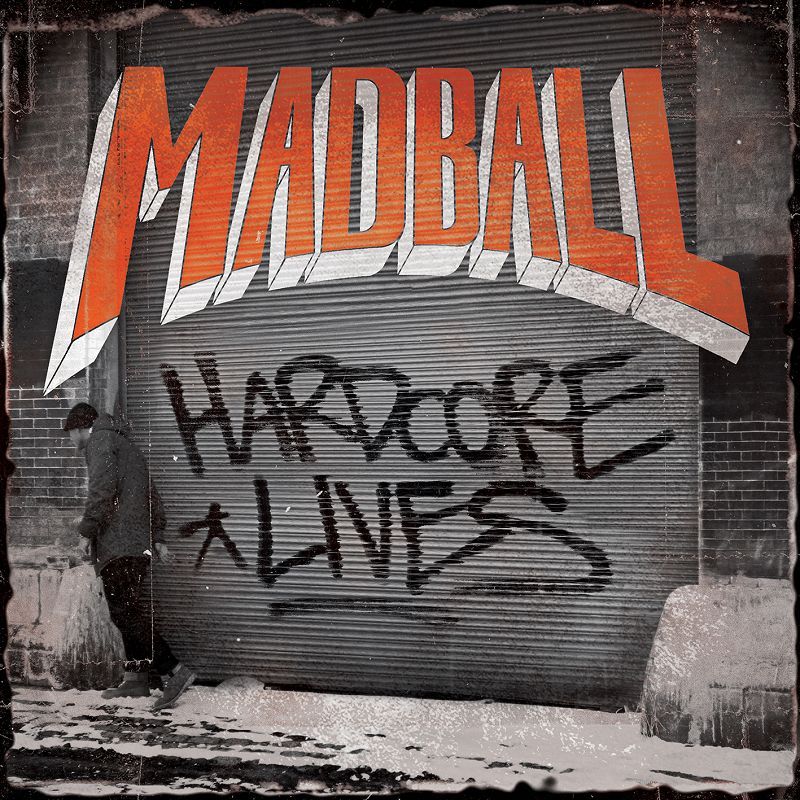
 View Artist