Song Meaning
The lyrics paint a picture of a relationship teetering on the edge, marked by a painful honesty and a plea for genuine connection. The opening lines immediately establish a sense of vulnerability and unresolved hurt, with the narrator asking, "Are you hurting still?" The response, "Of course," is stark and unvarnished, setting a tone of difficult truths. The image of "glasses shatter on the floor" suggests a moment of intense emotional fallout, a breaking point that prompts the question, "Can we play a different chord?" This desire for change is immediately undercut by a deep-seated doubt: "Please don't lie and say you will." The narrator seems to be grappling with their own identity within the relationship, directly asking, "What am I to you, can we be truthful?"
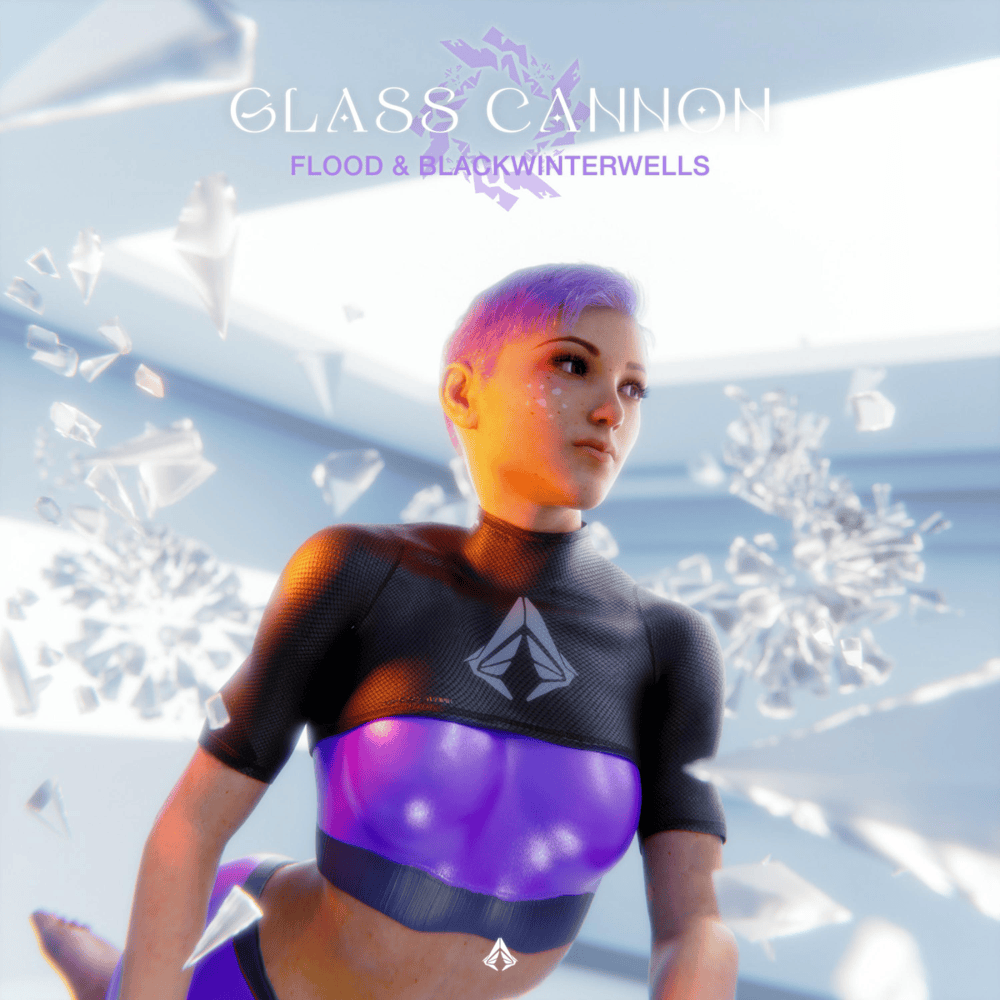
The core of the song's emotional tension lies in the narrator's self-perception as a "little glass cannon." This repeated phrase in the chorus is a powerful metaphor for fragility and destructive potential. A glass cannon in gaming is powerful but easily broken, suggesting the narrator feels they possess a potent emotional force or perhaps a capacity for causing damage, yet are simultaneously incredibly vulnerable and susceptible to breaking. The declaration "I'm all yours" juxtaposed with this fragile identity creates a compelling conflict: a willingness to be completely devoted, even while acknowledging their own inherent destructibility and the potential for harm.
The craft here is in the stark, almost conversational delivery of painful admissions. The repetition of "Glass cannon" isn't just for emphasis; it hammers home the narrator's self-assessment, making it feel like an inescapable truth. The contrast between the vulnerability of "little" and the destructive implication of "cannon" is particularly sharp. Flooddubs' verse adds another layer, expressing a complex mix of regret and lingering resentment. The line "One day, I'll bring myself to hate you / But 'til then, I'll wonder how" captures a specific kind of emotional purgatory, where the desire for closure battles with an inability to fully let go or understand the situation.
Ultimately, these lyrics resonate because they articulate a common, yet rarely so directly expressed, emotional state: the fear of being both too much and not enough, of being powerful yet breakable, and of navigating relationships where honesty is painful but essential. The raw, unadorned language and the central metaphor of the "glass cannon" provide a potent and specific lens through which to view the complexities of love, hurt, and self-awareness.