Song Meaning
The lyrics paint a picture of someone wrestling with internal turmoil, pushing through exhaustion to articulate something vital. There's a sense of urgency, a drive to write "the words you really mean without mistake," even as the external world feels desolate, "empty outside the door." This struggle suggests a deep need for clarity amidst confusion.
The central tension seems to be a battle against a recurring darkness, a "horror I once knew" that the narrator is now navigating. Despite a declaration that "this isn't a long catastrophe," the repeated phrase "blanketed and bruised" and the act of "stumblin' to find the light switch" reveal a persistent vulnerability. The narrator appears to be confronting a difficult internal state, seeking an end to it with a desperate vow: "If this feeling goes, I won't do it again."
The most striking element is the paradoxical embrace of darkness. The narrator admits to being "scared of the sun light" but finds solace in a specific kind of night, stating, "I'm not scared if you're the night." This suggests that the perceived threat isn't the absence of light itself, but perhaps the harsh exposure or clarity that daylight brings, preferring instead the comfort found in a familiar, albeit potentially dangerous, darkness.
This lyrical construction is effective because it grounds abstract emotional states in concrete, relatable actions and striking contrasts. The image of pushing a pen until it breaks, or fumbling for a light switch, makes the internal struggle tangible. The ultimate declaration of not fearing "the night" if it's embodied by a specific presence offers a poignant, if unsettling, resolution, highlighting how personal connections can redefine our relationship with fear.
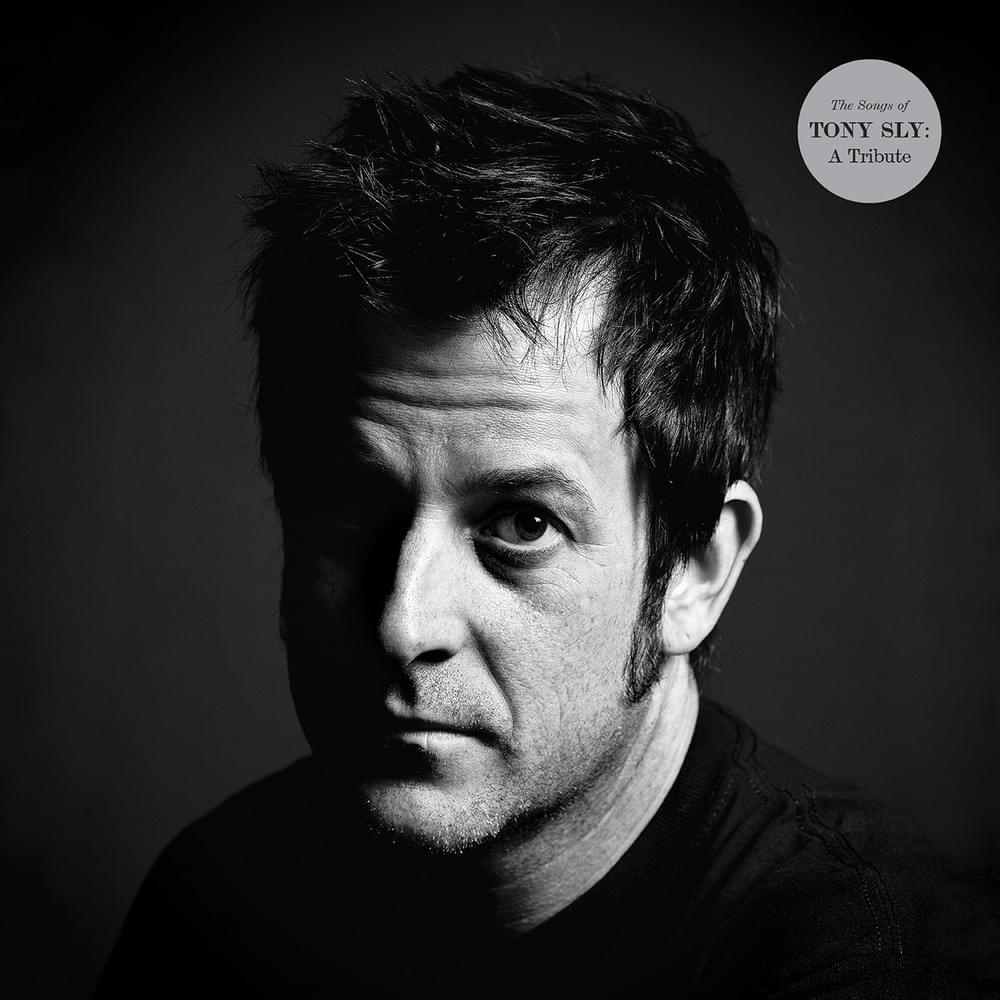
 View Artist