Song Meaning
The lyrics paint a picture of a strained, almost impossible connection, built on a foundation of mutual inaction and contrasting states of being. The narrator and the subject, Mona, are stuck in a loop of should-dos: "She should call me," "I should phone her." This paralysis is attributed to the narrator's own "shaky" state and Mona's identity as a "stoner." The repeated contrast between the narrator's "friendly" and "frisky" demeanor and Mona's "loner" status highlights a fundamental disconnect, amplified by the narrator's use of "ecstasy" versus Mona's more passive "stoner" state. The core tension lies in this inability to bridge the gap, a gap that seems both self-imposed and circumstantial.
The lyrics repeatedly emphasize a sense of lacking or never having possessed something essential, with the narrator confessing, "I haven't got it / I never lost it / I never had it." This internal void seems to mirror the external distance between the narrator and Mona, suggesting a deeper existential unease that prevents genuine connection. The phrase "(I'm takin' you to hell)" adds a dark, almost accusatory undertone, hinting that this inability to connect or the narrator's own state is leading them both to a negative outcome.
The most striking aspect of the craft is the relentless, almost hypnotic repetition of "She's a stoner." This phrase acts as both an explanation and a barrier, a label that seems to define Mona and, by extension, the reason for the narrator's inability to connect. The introduction of external elements like Mona's "Spanish family," "Barcelona," and her being a "gypsy" adds layers of mystique but ultimately circles back to the defining characteristic. The bizarre, almost nonsensical lines about "mystery organ doner" and "her kidney, you're a stoner" inject a surreal, dark humor, further complicating the narrative and suggesting that even shared experiences or consequences are filtered through this central identity.
Ultimately, the effectiveness of these lyrics stems from their raw, unflinching portrayal of a connection that is perpetually on the verge of happening but never quite arrives. The simple, direct language, coupled with the insistent rhythm and repetition, creates a feeling of being trapped in a moment of indecision and longing. The narrator's self-awareness of their own "shaky" state and the almost dismissive labeling of Mona as a "stoner" reveal a complex dynamic of attraction and frustration, making the listener feel the weight of unspoken possibilities and the quiet despair of a relationship perpetually out of reach.
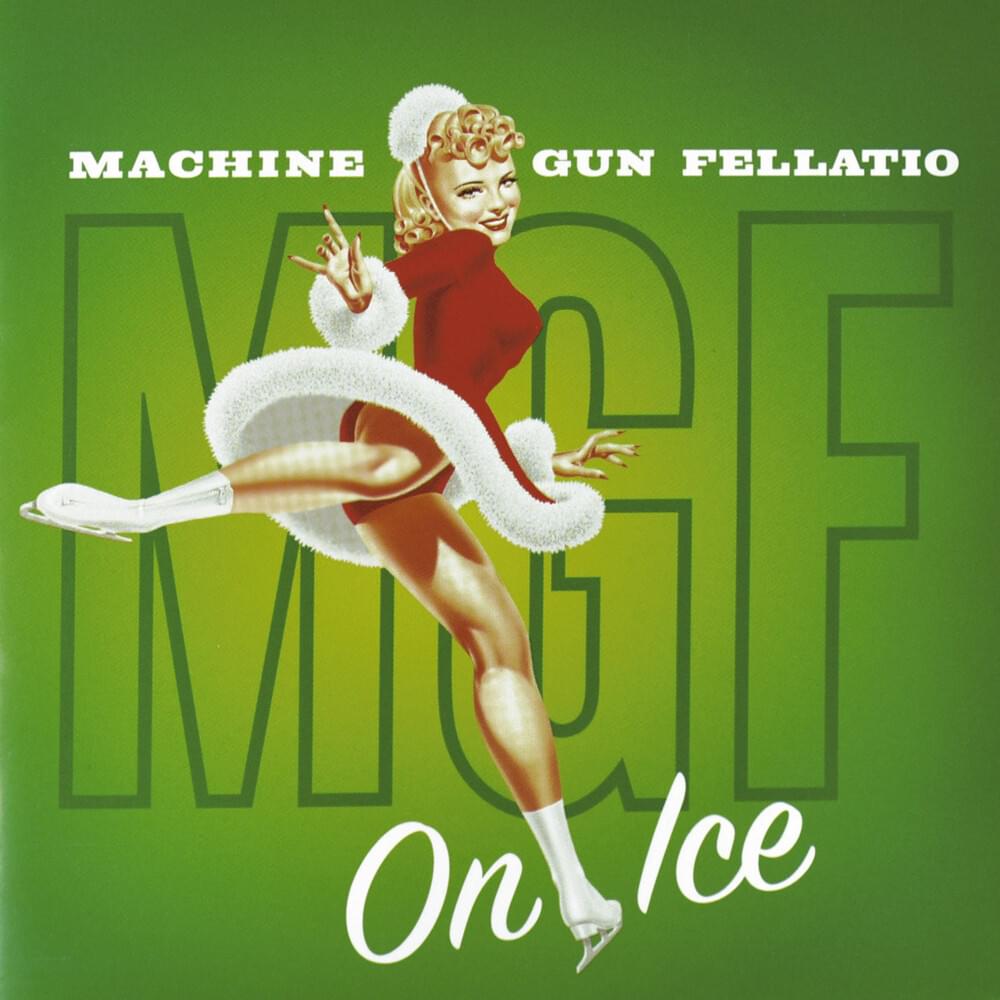
 View Artist