Song Meaning
The lyrics paint a stark picture of profound loss and emotional desolation, using a series of poignant metaphors to convey a sense of rootlessness and emptiness. The narrator begins by describing themselves as a "bird of passage," "branch without roots," and "pollen," all images that emphasize a transient, unanchored existence even before the central loss. This feeling of being adrift is amplified by the recurring motif of "dry tears," suggesting a grief so deep it has become a permanent, unexpressed state, a hollow ache rather than an outward display of sorrow.
The core tension arises from the stark contrast between the external world and the narrator's internal state. "So much noise out there, and here the silence hits and hits." This juxtaposition highlights the isolating nature of their pain; despite being surrounded by "so many people," the narrator is consumed by a profound loneliness that "came to live with me." The silence isn't peaceful; it's an active, oppressive force, mirroring the internal void.
The writing masterfully employs contrasting imagery to articulate this emptiness. The narrator is a "firebrand and ash," a "street with no exit," and ultimately, a "dry fountain without your water or my thirst." This last image is particularly striking, suggesting a state of being so devoid of emotional sustenance that even the capacity for longing or release is extinguished. The repetition of "empty fountain" hammers home the idea of a fundamental lack, a wellspring of feeling that has run dry, leaving only the residue of "dry tears."
This lyrical construction is effective because it moves beyond simple sadness to depict a state of arrested grief. The "dry tears" become a powerful, almost paradoxical symbol of overwhelming sorrow that can no longer manifest as crying. The emptiness isn't just a feeling; it's a physical, unquenchable state, leaving the listener with a visceral sense of the narrator's profound and unresolvable desolation.
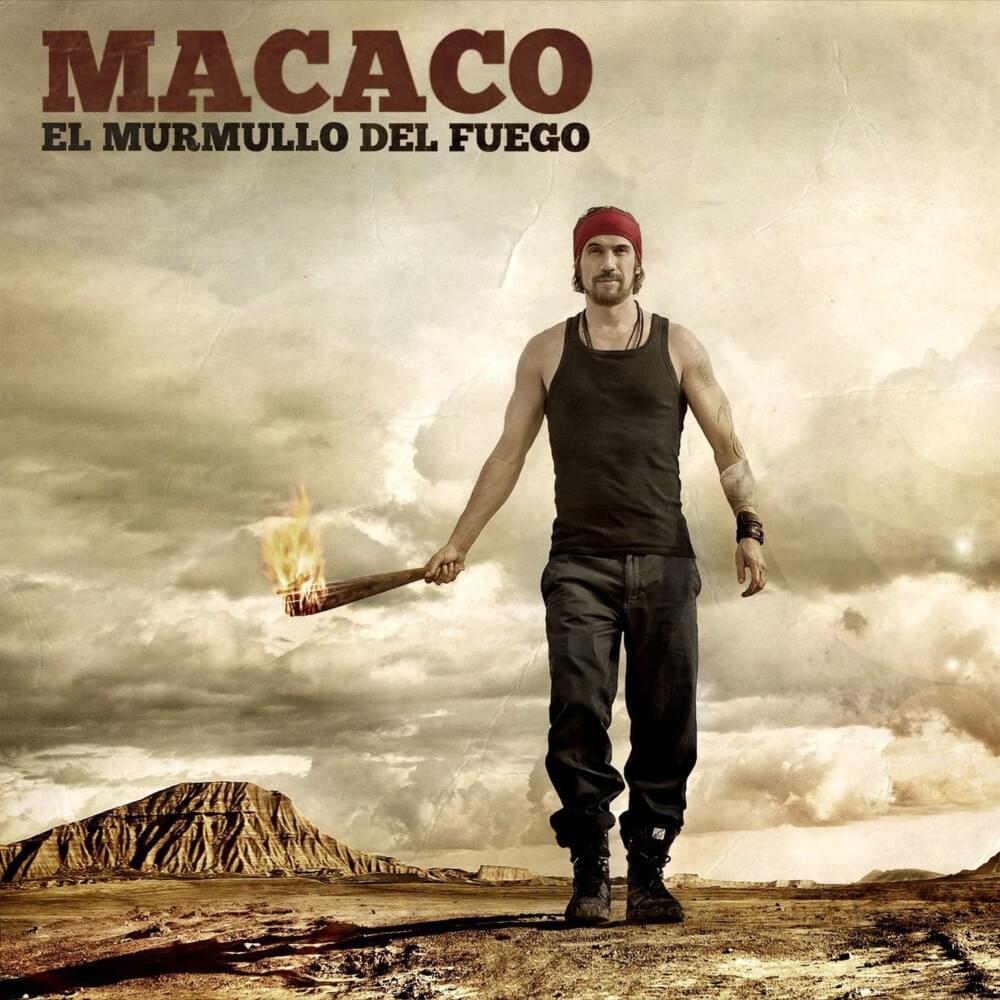
 View Artist