Song Meaning
The narrator opens by tuning into the news, immediately framing the world as "revuelto" – chaotic and unsettling, perhaps even "mal de ojo" (cursed). This sense of disorientation is amplified by the question of whether the world is upside down, or if it's the narrator who is "del revés." The relentless march of time is noted, but the lyrics suggest a lack of true guidance, with "no hay maestros, sólo escuelas," implying learning happens through experience rather than wisdom. Life itself is presented as a "melodía sin letras," a tune without words, where daily existence poses the big questions that life then answers.
The core tension arises from this feeling of being adrift in a confusing world, seeking clarity or perhaps solace, as evidenced by the repeated plea, "Agüita tráeme" (Bring me water). This refrain acts as a grounding element, a simple, primal request amidst complex anxieties. The lyrics then pivot to historical reflection, observing "historias repetidas, bucles de un mismo ser," suggesting humanity is caught in cycles of mistakes. The narrator questions how many stumbles are needed before one can truly rise without falling again, highlighting a struggle for genuine progress.
What's particularly striking is the juxtaposition of grand existential themes with mundane observations. The idea that "razón sea pa mí un rato, otro ratito pal de al lado" – reason is for me a moment, another moment for the next person – suggests a fleeting, shared, and perhaps insufficient grasp of understanding. This contrasts with the eternalizing desires of religions, implying a human tendency to seek permanence in a world that feels transient and confusing. The repeated call for "agüita" becomes a symbol of this fundamental need for something pure and sustaining in the face of overwhelming complexity and cyclical human folly.
Ultimately, the lyrics resonate because they capture a specific, relatable feeling of being overwhelmed by the state of the world and the repetitive nature of human experience. The craft lies in the simple, direct language that articulates profound unease, using the image of water as a universal symbol of relief or clarity. The narrator's journey through news, history, and personal reflection, punctuated by the urgent, almost desperate plea for water, creates an emotional arc that feels both intimate and broadly resonant.
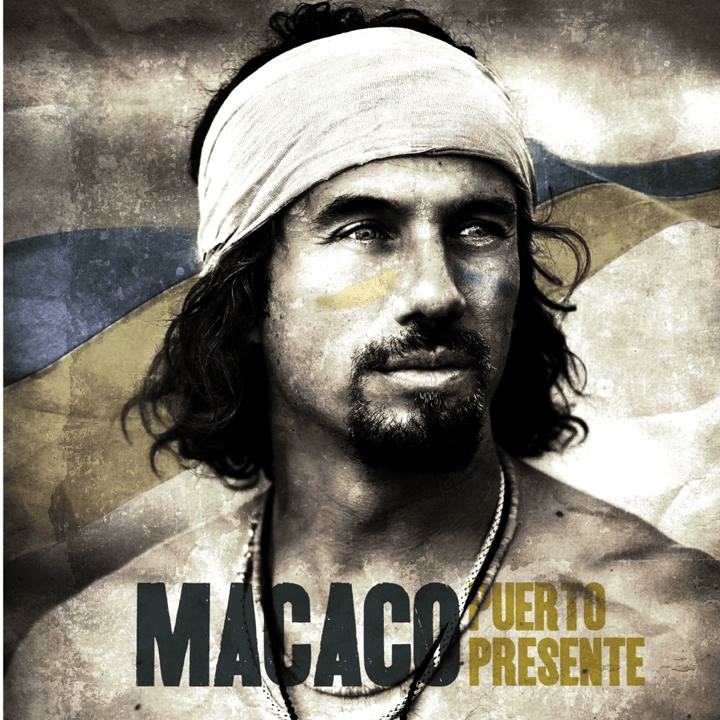
 View Artist