Song Meaning
The lyrics invite someone to a specific, secluded meeting spot, a "bridge past nine," to escape the pressures of everyday life. The immediate tone is one of relaxation and detachment, urging the listener to "turn off our phones" and "unwind." This initial setup suggests a desire for a private, almost escapist experience, a deliberate departure from the mundane world where worries like "bills" are temporarily forgotten in favor of "cheap thrills."
The core tension seems to arise from the contrast between this promised escape and a darker undercurrent hinted at later. While the narrator initially presents themselves as a "super individual" offering a unique experience, the phrase "doublin' down, devil's in town" introduces a sense of impending trouble or a hidden, potentially destructive element. This juxtaposition creates an unsettling feeling: is this "paradigm" a genuine sanctuary or a trap?
The most striking craft element is the rapid shift in imagery and tone. The early lines paint a picture of serene, almost idyllic relaxation, but this quickly devolves into a chaotic list of actions: "ridin' them hills, dippin' in cheap thrills, lovin' on you, posin' for stills, poppin' them pills." This barrage of activities, culminating in the ominous "devil's in town," suggests a frantic, perhaps unsustainable, pursuit of pleasure that might be masking deeper issues.
Ultimately, the lyrics are effective because they tap into the universal desire for escape while simultaneously hinting at the potential consequences. The promise of a "paradigm" – a new way of being – is alluring, but the narrator's own fragmented and increasingly desperate-sounding descriptions make the listener question the true nature of this offered reality. It leaves one wondering if the "downtime" is truly restorative or a prelude to something more volatile.
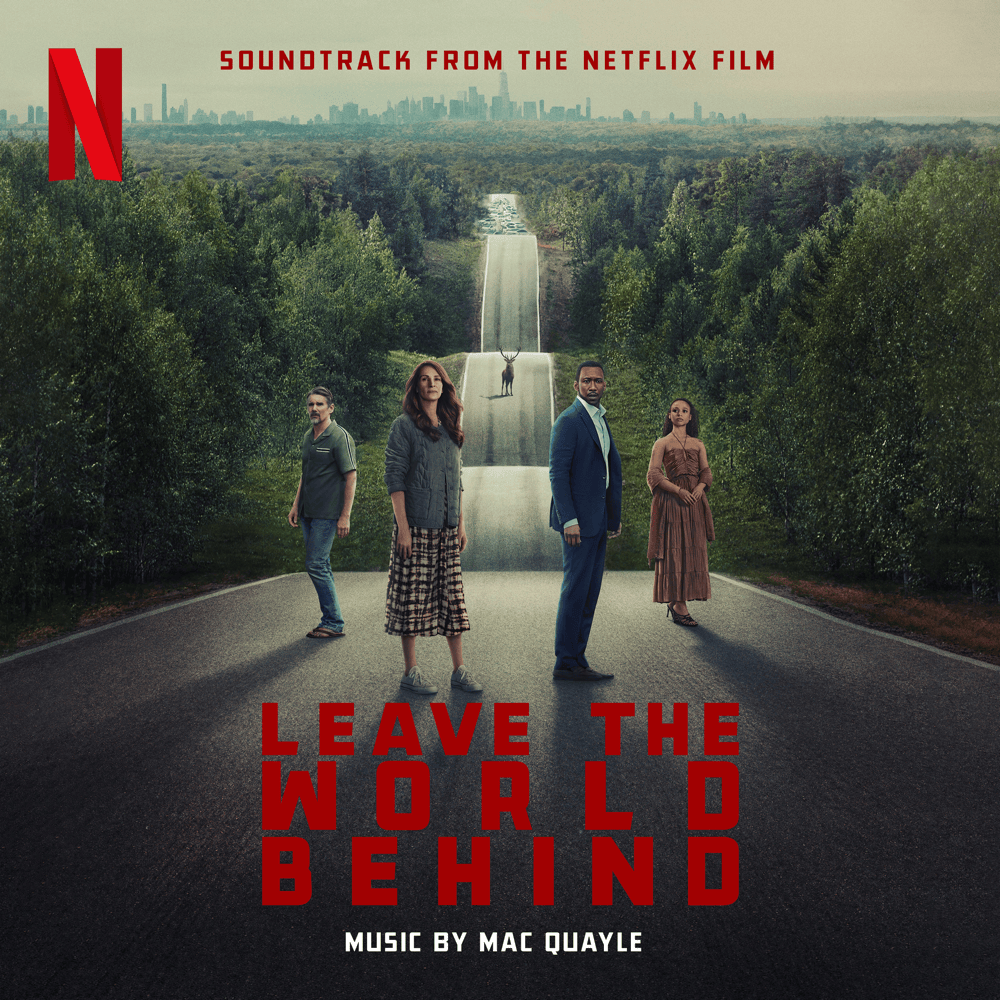
 View Artist