Song Meaning
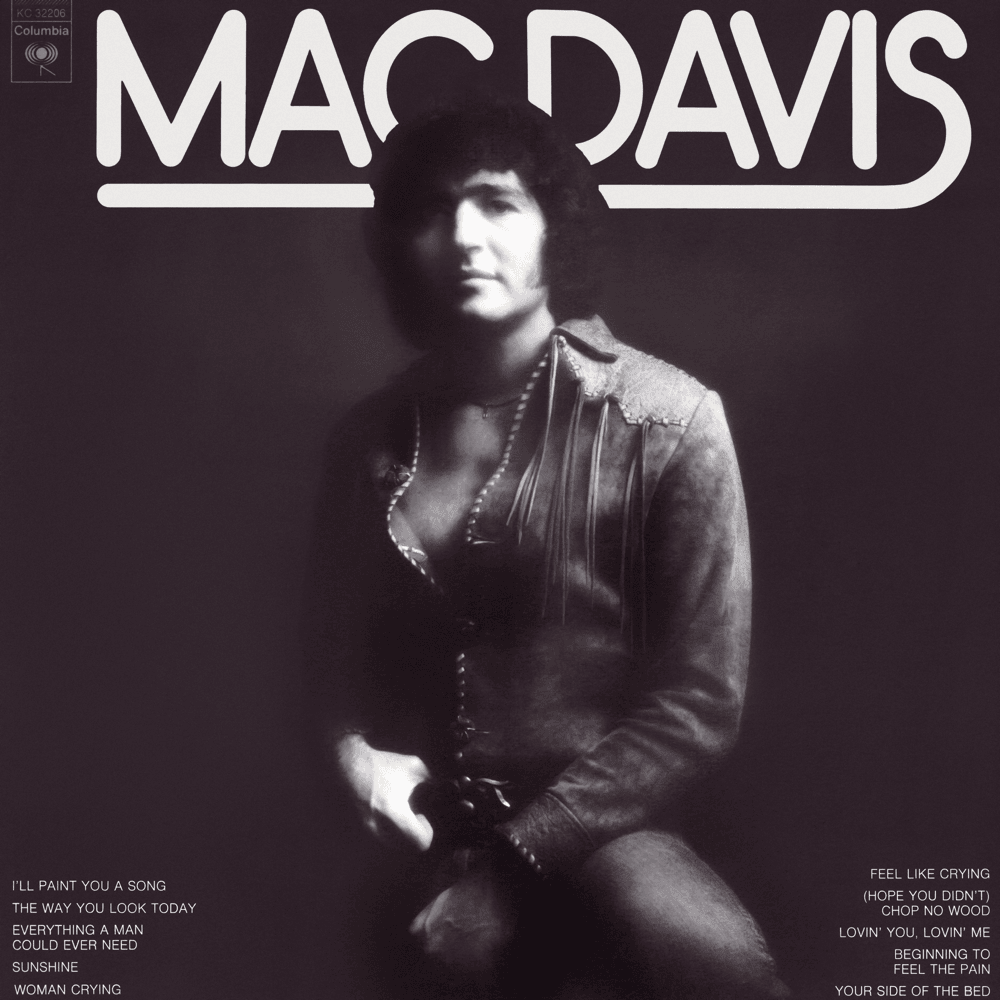
Mac Davis's "I'll Paint You a Song" isn't just a piece of music; it's an invitation to psychological reconstruction through art. The opening lines immediately establish a sense of wounded innocence, observing a 'little girl' within, weighed down by disillusionment ('dreams have turned to sand'). It's a stark acknowledgment of lost potential and the heavy toll of life's disappointments. Davis offers himself not as a savior, but as a guide, someone who can lead this wounded soul back toward hope. The promise isn't to erase the past, but to create a new present, vividly colored with optimism. This is where the song transcends simple sentimentality. It proposes a therapeutic journey.
The core of the song meaning lies in its synesthetic approach. Davis isn't just singing; he's painting with sound. He offers a morning filled with 'laughing bluebirds,' a fairy tale spun from 'ribbons and crepe paper words,' and a personal rainbow. These aren't just pleasant images; they are carefully chosen symbols of joy, fantasy, and individual ownership. The 'rainbow' is particularly potent, representing a spectrum of possibilities claimed as one's own. There's an element of childlike wonder being deliberately invoked, a return to a state of unburdened imagination. It's a potent reminder that even in the face of adult cynicism, the capacity for joy and wonder remains.
The repetition of 'I'll sing you a morning, I'll paint you a song' acts as a mantra, reinforcing the healing power of art. It's a pledge of sustained effort, a commitment to continually create a world of beauty and hope for the listener. The simplicity of the lyrics is deceptive. It's not about complex poetry, but about direct emotional connection. The invitation 'So won't you come along' is an open door, an offer of companionship on a journey toward emotional renewal. "I'll Paint You a Song" is ultimately a testament to the transformative power of art, not just as entertainment, but as a tool for healing and rediscovering the lost colors of life.
 View Artist