Song Meaning
The lyrics paint a vivid picture of a bittersweet reunion, starting with a memory of someone running off into the summer rain, their silhouette fading as the narrator chases after. The image of water droplets on eyelashes suggests a moment of hurried departure, perhaps tinged with unspoken emotion. This initial scene sets a tone of longing and a past that feels both immediate and distant.
The core of the song seems to revolve around the narrator's unwavering presence and acceptance for someone returning, possibly to a cherished memory or a past self. The repeated phrase "おかえりなさい" (Welcome back) is directed not just to a person, but also to "思い出に" (to memories) and "私たちが" (we), suggesting a deep connection to shared experiences and ideals. The narrator assures the returning person that the things they once dreamed of and loved are still protecting them, offering a sense of continuity and safety.
The craft here lies in the gentle, almost tender, imagery used to convey profound emotional support. The narrator recalls imitating a movie character while combing their hair, a small detail that hints at past aspirations or a desire for a certain kind of grace. The idea that sadness can be washed away with cold water is a simple yet effective metaphor for emotional cleansing. Later, the lyrics suggest that what was once imagined in the sky has now descended, becoming tangible and real, mirroring the return of the person or the realization of past dreams.
Ultimately, these lyrics resonate because they offer a sanctuary of understanding and unconditional acceptance. The narrator's promise to be there when the person wants to cry or meet, and their willingness to embrace without questions, creates a powerful sense of solace. The final lines, "生きることは忘れること 今がいつも一番輝いてる" (Living is forgetting; the present always shines brightest), offer a perspective that encourages letting go of the past's burdens to embrace the present's potential, making the welcome back feel like an invitation to a brighter, unburdened future.
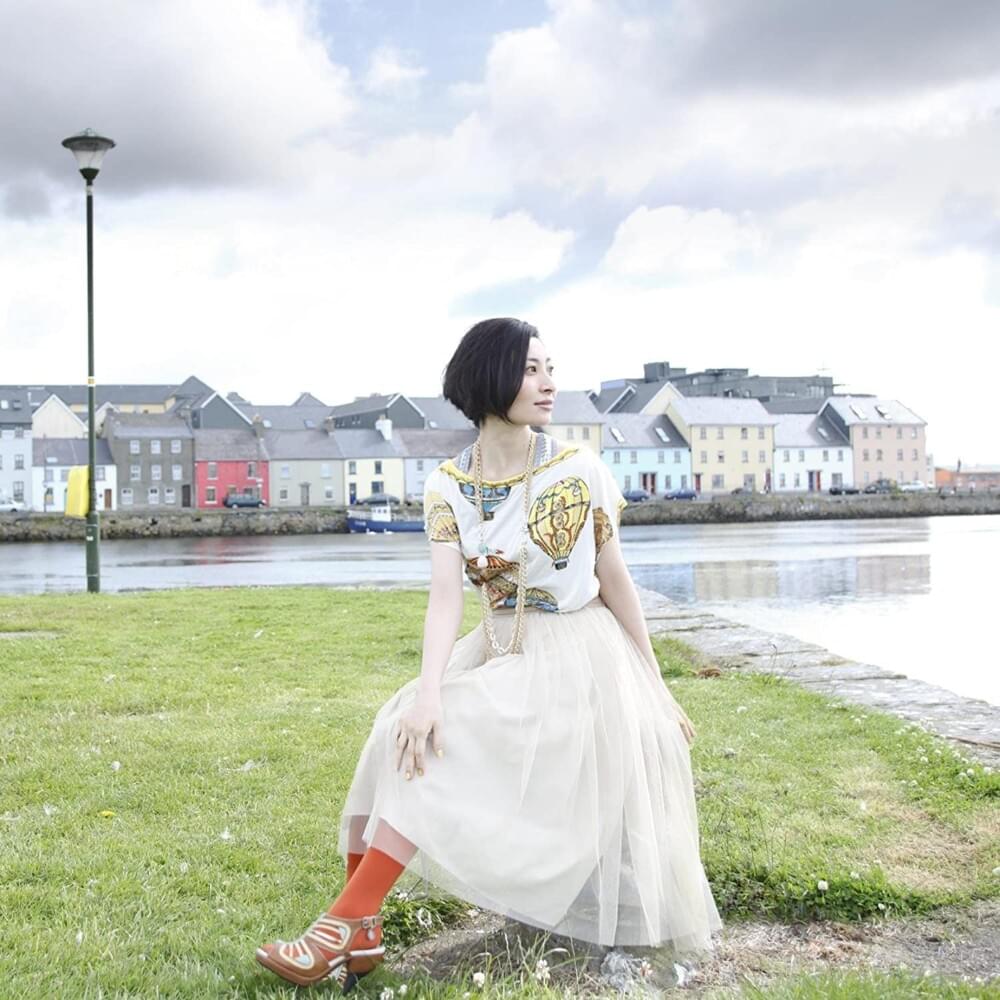
 View Artist