Song Meaning
The lyrics paint a picture of tentative romantic beginnings, a delicate dance of unspoken feelings and cautious advances. There's a palpable sense of anticipation, a mutual 'checking each other out' as the narrator wonders who will make the first move. Small, seemingly insignificant words from the other person bring unexpected joy, highlighting the fragile nature of this budding connection. The phrase "恋人未満" (less than lovers) perfectly encapsulates this state of being on the cusp, a comfortable yet frustrating limbo.
The central tension lies in the push and pull between wanting to move forward and a desire to retreat, a classic hallmark of early attraction. The narrator admits to a "繊細" (delicate) nature and a tendency towards "優柔不断" (indecisiveness), suggesting an internal struggle to articulate their feelings. This hesitation is juxtaposed with a growing hunger, both literal and metaphorical, as they ponder, "don't you think we should eat soon?" This blend of mundane concerns and deep emotional stirrings creates a relatable, grounded portrayal of infatuation.
A particularly effective device is the week-long structure, mapping out the narrator's emotional landscape day by day. From the mundane "Monday" commute to the hopeful "Thursday" wish to meet their "運命の人" (destined person), each day reveals a different facet of their longing. The repetition of "今度はいつ逢えるかな" (when can we meet next time?) across different days underscores the persistent, almost obsessive, nature of their thoughts about the other person. This temporal framing makes the emotional arc feel immediate and deeply personal.
Ultimately, the lyrics resonate because they capture the irrationality and overwhelming nature of falling in love. The narrator acknowledges not understanding why they're drawn to this person, stating, "I don't understand at all why it has to be you." Yet, this very lack of reason is presented as the purest form of affection, a sentiment that transcends logic. The writing suggests that true connection doesn't always need a justification; sometimes, it just is, making the narrator's quiet yearning all the more poignant.
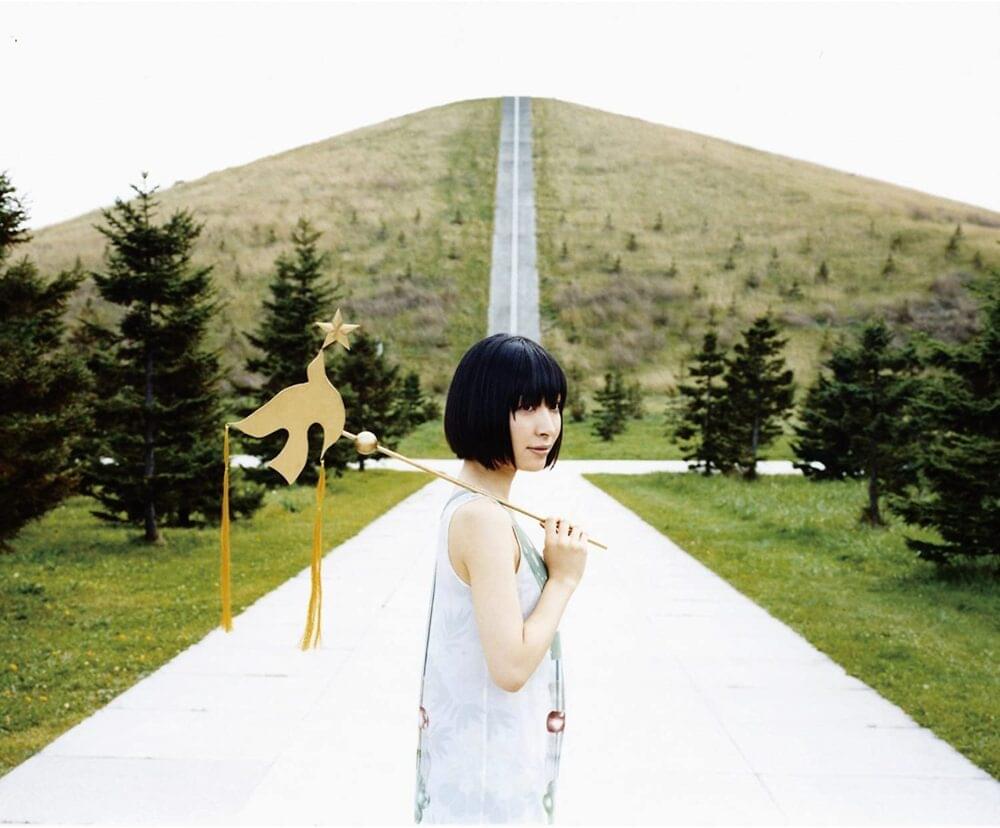
 View Artist