Song Meaning
The lyrics paint a vivid picture of a solitary night, where the narrator grapples with the lingering presence of a departed lover. A warm breeze, meant to be comforting, instead feels like a taunt, highlighting the narrator's isolation and the perceived futility of their current state. The dominant emotion is a profound sense of loss and an aching desire for connection, underscored by the stark contrast between the recent intimacy and the current emptiness.
The central tension arises from the ephemeral nature of the lover's presence. The narrator desperately searches for tangible remnants – a touch, a scent, a forgotten glass – but finds only absence. This search is contrasted with the memory of being "wrapped" and feeling like they could be "one," only for that connection to vanish like water through cupped hands. This motif of fleeting presence is repeated, emphasizing the pain of what was and is no longer.
The repeated refrain, "Just your presence, just your scent... / Just my thoughts, just my pain..." serves as a powerful anchor for the song's emotional core. It shifts from seeking the lover's essence to asserting the narrator's own internal suffering, suggesting a desperate attempt to find substance in their own feelings when the external object of affection is gone. This self-reflection reveals a newfound, almost violent, intensity within the narrator, a "fierceness" they've never encountered before, alongside a "sneakiness" they're also seeing for the first time.
Ultimately, the lyrics resonate because they capture the raw, disorienting experience of post-intimacy loneliness. The narrator's plea to "please hold me" and "don't forget me" is a desperate cry against fading away, much like the lover's scent. The imagery of being stuck in "mire with no way out" perfectly encapsulates the feeling of being trapped by longing, acknowledging that survival might involve hurting others, and eventually being hurt in return. The final, desperate declaration, "No matter how much I love, I can't love you enough," encapsulates the insatiable nature of this profound grief and yearning.
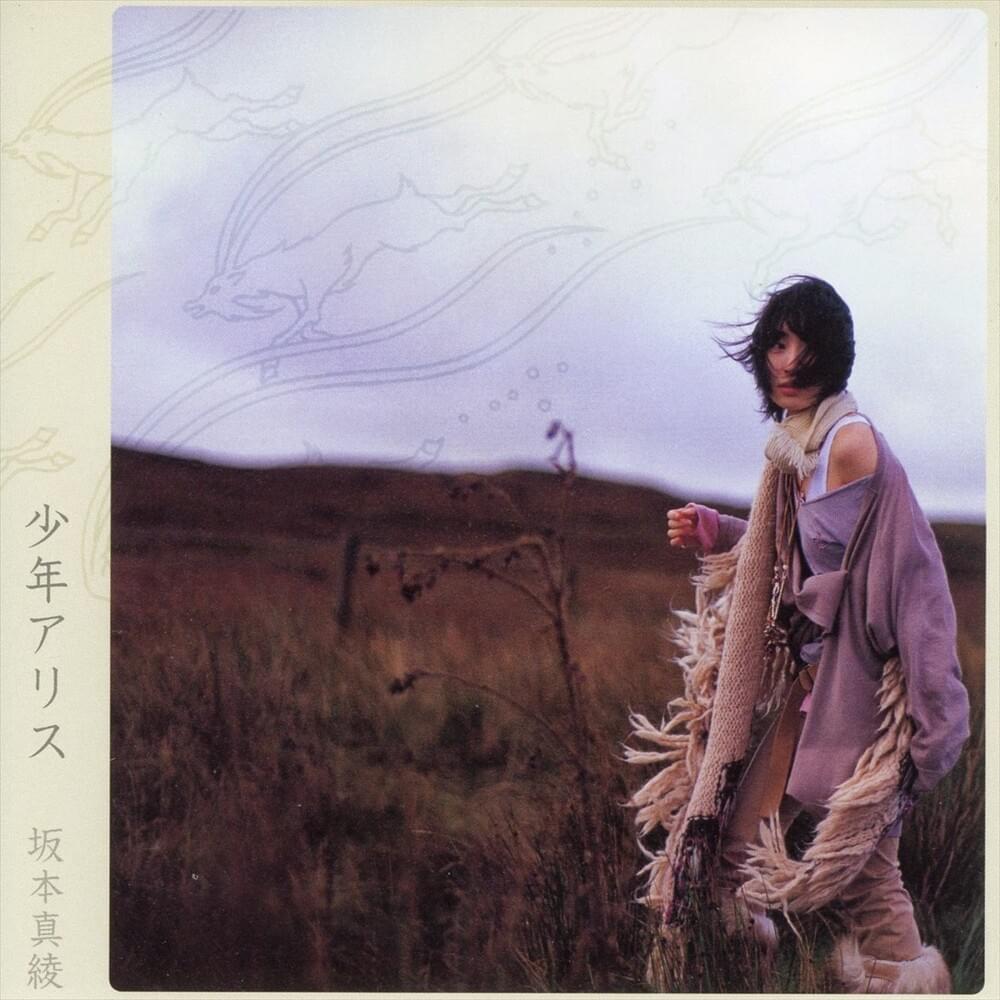
 View Artist