Song Meaning
The lyrics paint a picture of quiet, almost ritualistic movement through a familiar urban landscape as winter descends. The narrator walks the same route, wearing the same coat, a sense of routine that starkly contrasts with an unexpected surge of emotion. This sudden urge to cry, triggered by turning a corner, suggests an internal disconnect between the external world and the narrator's inner state. The repetition of "もう冬ですか" (Is it winter yet?) anchors this feeling, questioning the arrival of a season that seems to mirror a personal sense of coldness or loneliness.
The central tension lies in the narrator's struggle with unspoken feelings and a yearning for connection, juxtaposed against a perceived inability to express them. The question "寂しいですか" (Are you lonely?) and the subsequent "そうでもないと笑っていますか" (Are you laughing because you're not?) reveal a deep-seated insecurity about their own emotional presentation and a projection onto an implied 'you.' This is further emphasized by the desire to reach for an unseen light "分厚い雲の向こう側" (beyond the thick clouds), a metaphor for hope or clarity that remains just out of reach, leading to an almost desperate urge to "叫びそうになる" (cry out).
The most striking craft element is the recurring image of the "分厚い雲" (thick clouds) and the unseen light beyond them. This visual anchors the narrator's internal struggle, representing a distant, intangible hope or a memory of warmth that they desperately try to grasp. The phrase "僕を笑っていいよ" (You can laugh at me) is a poignant admission of vulnerability, an invitation for judgment that stems from this very struggle to connect or be understood. It’s a quiet plea born from the feeling of being out of place, "こんな気持ちは場違いですか" (Is this feeling out of place?).
Ultimately, the lyrics resonate because they capture the subtle, often isolating experience of navigating personal sorrow within the mundane. The contrast between the external, predictable world and the unpredictable internal emotional landscape creates a powerful sense of quiet desperation. The narrator’s tentative questions and the imagery of reaching for an unseen light evoke a universal feeling of longing for connection and understanding, even when words fail and the world feels cold.
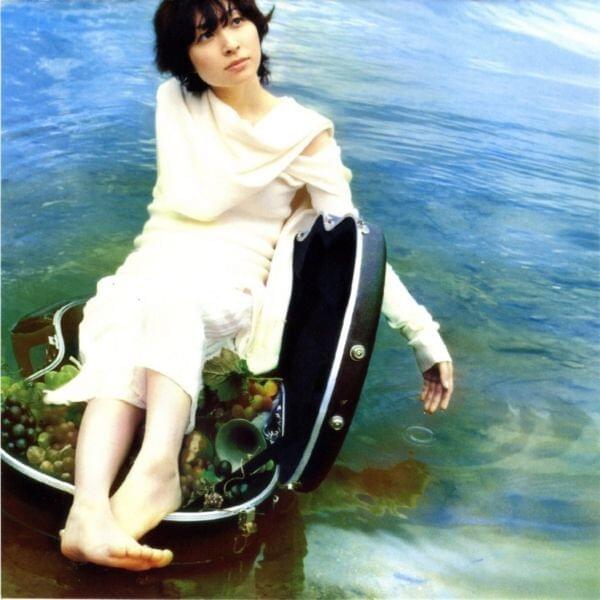
 View Artist