Song Meaning
The lyrics paint a poignant picture of a farewell, tinged with a deep, unspoken love and the painful awareness of an inevitable separation. The narrator grapples with the act of letting go, acknowledging that releasing their grip signifies the end of everything, leaving unfulfilled desires and unlearned lessons behind. This internal conflict is palpable as they wish happiness for the other person, yet are unable to fully embrace that sentiment due to their own immaturity and sorrow, evidenced by their uncontrollable tears.
The core tension lies in the narrator's profound love versus their knowledge of a future where they cannot be together. The repeated "I love you" is juxtaposed with the heartbreaking "but I'm the only one who knows we can't meet." This creates a devastating irony: the depth of their affection is matched only by the certainty of their parting, a truth they must carry alone. The promise "we'll meet again" is a cruel kindness, a facade maintained for the other person's comfort.
A striking element is the transformation of the word "hope." Initially dismissed as mere platitudes, "hope" becomes a lifeline, something the narrator clutches "painfully" while looking up at the beloved. This suggests a desperate clinging to a future that might not exist, a testament to the power of love even in the face of insurmountable odds. The memory of their shared past is re-framed as a "treasure" and a "hideaway" in their heart, a sanctuary to sustain them through the separation.
Ultimately, the effectiveness of these lyrics stems from their raw emotional honesty and the specific, heartbreaking details of a love that must endure separation. The narrator's struggle to articulate their feelings, their acceptance of a "fate" they chose, and their resolve to "live on with you" even when apart, all resonate with a profound sense of bittersweet devotion. The writing captures the ache of loving someone so deeply that even in parting, the connection feels unbreakable, existing beyond physical presence.
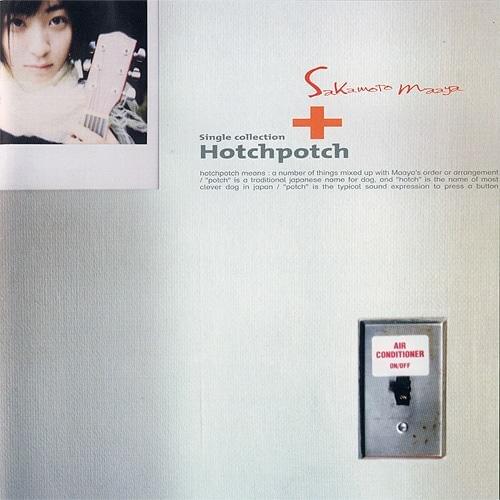
 View Artist