Song Meaning
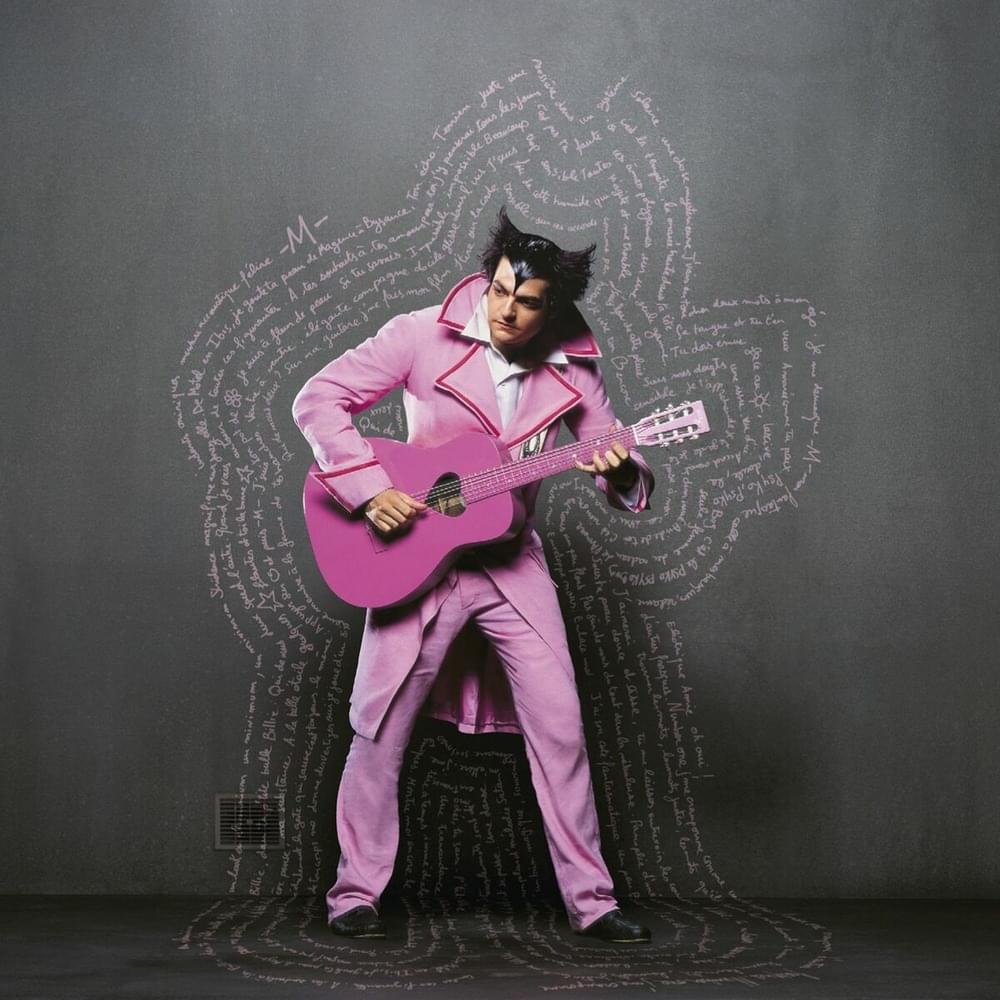
The narrator describes a peculiar internal duality, a constant companion referred to as "M." This "M" is presented as a fantastical, almost comic-book-like aspect of the self, tinged with romance and magic, yet grounded in a kind of lunar, detached reality. The narrator feels this presence intensely, stating "J'l'ai dans la peau" (I have it in my skin), suggesting an inseparable connection that influences their public persona, even when performing alone.
The core tension arises from this internal "M" versus the narrator's outward presentation. The lyrics reveal a struggle to reconcile these two selves, with "M" described as a "fantasque" (whimsical/eccentric) entity that "colle à mes basques" (clings to my heels) and demands more "frasques" (escapades/antics). This internal force seems to push the narrator towards more unconventional or perhaps impulsive actions, creating a dynamic where the self is constantly being revealed or altered by this other presence.
The most striking craft element is the repeated motif of unmasking and the explicit declaration of a "double en utopie" (double in utopia). The phrase "Plus de jeu, plus de masque" (No more games, no more masks) signals a decisive shift, where the narrator chooses to embrace this internal "M." The lines "Lui en dedans, moi en avant" (Him inside, me in front) perfectly encapsulate this new dynamic: the internal, fantastical self is now the driving force, while the external self moves forward, guided by this inner companion.
This lyrical construction is effective because it articulates a complex internal experience with vivid, if abstract, imagery. The persistent presence of "M" and the act of unmasking create a compelling narrative of self-acceptance or perhaps surrender to one's own eccentricities. The contrast between the public performance and the private internal world, resolved by the narrator bringing the internal outward, resonates as a powerful statement about integrating one's multifaceted identity.
 View Artist