Song Meaning
The lyrics paint a picture of a transactional and emotionally detached dynamic, centered around a narrator who feels empowered by their ability to discard partners at will. The opening hook immediately establishes a conditional relationship: if the current partner becomes "boring," the narrator is ready to "switch to another one real quick." This sets a tone of disposability and a focus on immediate gratification over genuine connection. The narrator's claim to "know your problems way too much" suggests a superficial understanding, perhaps used to manipulate or justify their own actions.
The core tension lies in the narrator's assertion of control and their disdain for the partner's perceived neediness or emotional investment. Lines like "Whatever you gon' say to me means nothing" and "Once I forget you I don't look back" highlight a deliberate emotional distancing. The explicit mention of a past sexual encounter, including a threesome described as "nasty and creepy," serves to underscore a history of casual, perhaps exploitative, intimacy. The narrator seems to relish the partner's continued interest, even as they dismiss it as "greedy."
A striking element is the narrator's boastful, almost taunting, attitude towards the partner's feelings. The idea of "go back and forth with that same friend" after the partner "feel[s] something" is a clear power play, designed to inflict emotional pain. This is further amplified by the dismissive "You don't even know my crew," which positions the narrator as part of an exclusive, unapproachable inner circle, reinforcing the partner's outsider status. The repeated phrase "Whenever I feel like you are boring" acts as a constant justification for their fickle behavior, framing it as a personal preference rather than a relational failing.
Ultimately, the effectiveness of these lyrics stems from their unflinching portrayal of a cold, self-serving perspective. The narrator's bluntness and lack of remorse create a stark, almost unsettling, character study. The repeated hook reinforces the cyclical nature of their behavior, suggesting a pattern of seeking novelty and avoiding any deeper emotional entanglement. The writing doesn't aim for empathy but rather for a raw, unfiltered glimpse into a mindset that prioritizes personal freedom and control above all else.
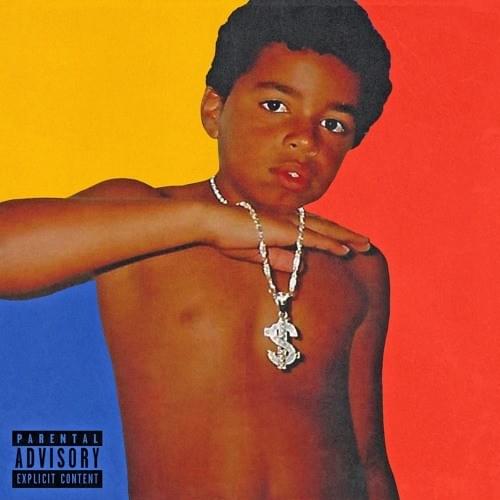
 View Artist