Song Meaning
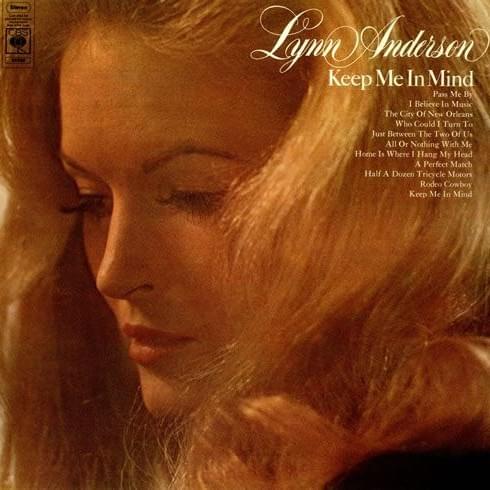
Lynn Anderson's "Who Could I Turn To" isn't just a country ballad; it's a raw, exposed nerve of codependency. The singer fully recognizes the relationship is dead, admitting "any feeling you may have ever felt for me is gone." There's a self-awareness bordering on self-loathing, acknowledging herself as a fool, yet she's paradoxically unable to break free. The core of the song meaning lies in this conflict: understanding the futility while still clinging to the only lifeline she knows. It's a portrait of someone trapped in a cycle of need, where logic and reason are secondary to the immediate craving for comfort, however fleeting.
The lyrics paint a picture of desperation masked as love. The repeated line, "loving you the way I do, who could I turn to but you," isn't a romantic declaration. It's a confession of a limited emotional landscape. The 'love' here is less about genuine affection and more about a deeply ingrained habit, an almost primal reliance on a specific person to regulate her emotional state. The plea, "If you'd just be with me tonight, I swear that's all I'll ever ask of you," carries a weight of past broken promises and a future destined for repetition. It is a bargaining chip of vulnerability.
Ultimately, "Who Could I Turn To" explores the darker side of attachment. It's a stark reminder that love, in its most distorted forms, can become a prison. Anderson's delivery, tinged with both vulnerability and a hint of defiance, underscores the complex psychology at play. The song lingers not as a celebration of enduring love, but as a cautionary tale about the blurred lines between love, need, and self-destruction.
 View Artist