Song Meaning
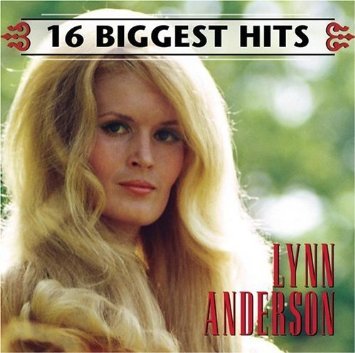
Lynn Anderson's "What a Man My Man Is" isn't just a countrypolitan declaration of love; it's a bold reclaiming of female agency within a patriarchal framework. The opening lines signal a decisive break from past sorrow ("Goodbye blues, I'm not gonna sing you no more"), suggesting a conscious rejection of victimhood. Instead, Anderson celebrates a relationship dynamic where she feels cherished and secure. But it's not merely about romantic bliss; the song's deeper current explores the power dynamics inherent in relationships and how a woman can find strength within traditional roles. The repeated assertion, "He needs me and loves me," hints at a subtle but significant shift in control. It's not just about being loved; it's about being *needed*, implying a reciprocal relationship where her presence and affection hold value. This flips the script on the stereotype of the passive, dependent woman often portrayed in country music.
The lyrics carefully craft an image of a man who provides emotional support and stability ("He's always around when I'm down / The most with two lovin' arms to hold me close"). This isn't just about physical presence; it's about active emotional labor, a concept often overlooked in discussions of traditional masculinity. The "sunshine man" and "rainbow" metaphors aren't simply clichés; they represent a sense of optimism and fulfillment gained through this relationship. However, the song doesn't shy away from acknowledging the potential for imbalance. Phrases like "keep me eatin' from the palm of his hand" and "keep me sittin' up on cloud nine" could be interpreted as suggesting a degree of control or manipulation. But within the context of the song's overall message, these lines suggest a willing surrender to a relationship that provides genuine happiness and security.
Ultimately, "What a Man My Man Is," performed by Lynn Anderson, is a complex exploration of love, power, and female empowerment within the confines of traditional gender roles. It’s a celebration of finding a partner who provides emotional support and validation, while also subtly asserting the woman's agency in shaping the relationship dynamic. The song's enduring appeal lies in its ability to resonate with listeners who seek both romance and a sense of control over their own lives. This lyrics analysis reveals more than just a love song, but a statement on relational power.
 View Artist