Song Meaning
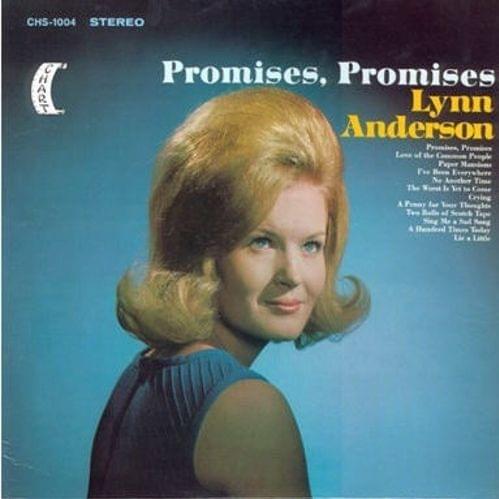
Lynn Anderson’s “The Worst Is Yet to Come” isn't just a heartbreak song; it's a stark premonition of grief’s relentless tidal pull. The track refuses the easy comfort of closure, instead bracing for an onslaught of future pain. The opening lines immediately establish a timeline skewed by loss: "Such a little time has passed since you went away / Where are all these heartaches coming from?" It's a disorientation many recognize – the initial shock receding to reveal the vast, uncharted territory of sorrow ahead. The singer isn't wallowing so much as steeling herself, almost clinically observing the burgeoning agony. This isn't about what *has* hurt, but what *will* hurt. The present pain is merely a harbinger.
The core of the song's meaning lies in its anticipation of escalating suffering. The lyrics paint a bleak landscape of sleepless nights and existential despair: "There'll be all those sleepless nights when I'll just lay and cry / And the hours will seem to have no end." Anderson doesn't just miss her lost love; she foresees a future where even the will to live is eroded. The repeated line, "And I know the worst is yet to come," functions as both a lament and a grim mantra. It's a raw acknowledgement that the grieving process isn't linear; it's a descent. The almost resigned tone suggests a fatalistic acceptance of this oncoming emotional storm.
The song's simplicity is its strength. There are no complex metaphors or veiled allusions, just a direct, unflinching gaze into the abyss of heartbreak. The image of crying "enough to fill the big blue sea" is classic country hyperbole, but it underscores the sheer volume of tears already shed, and the implication that even more are on their way. The repeated desire to find something to "drive these tears from me" highlights the futility of searching for a quick fix. "The Worst Is Yet to Come" isn't about finding solace; it's about acknowledging the immensity of the pain and bracing for impact. It's a song for those moments when you realize the initial sting was just the prelude to a deeper, more enduring ache.
 View Artist