Song Meaning
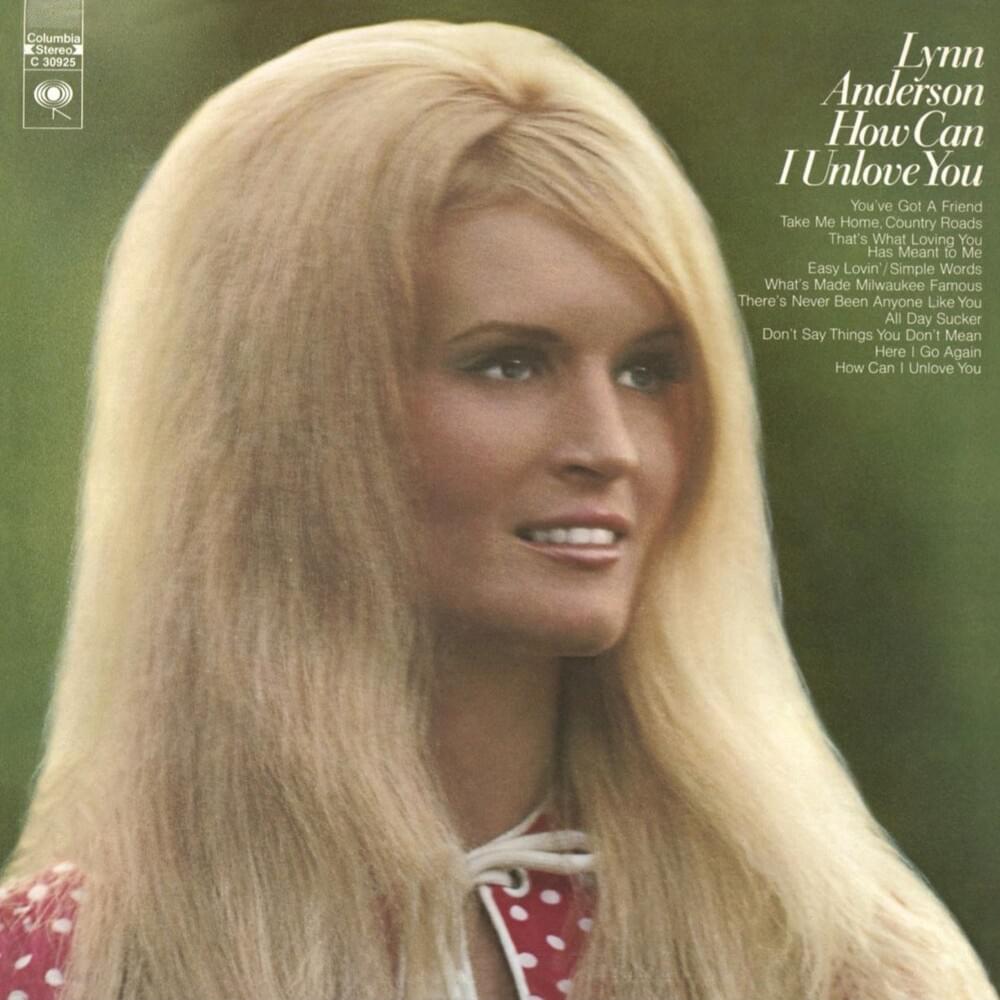
Lynn Anderson's rendition of "Take Me Home, Country Roads" evokes a specific, almost mythic American longing. It's more than just homesickness; it's a yearning for a primal connection to place, specifically West Virginia. The lyrics paint a vivid landscape – "Blue Ridge Mountains, Shenandoah River" – establishing a sense of idyllic, natural beauty. But it's not just pretty scenery; there's an undercurrent of something deeper, something almost ancestral. The phrase "Life is old there, older than the trees" suggests a connection to roots that predate modern existence, tapping into a collective memory of simpler times. The "miner's lady" and "misty taste of moonshine" hints at the hardships endured, and a rugged individualism that defines the character of the place and its people. This version pulls on the listener's heartstrings, evoking an almost painful desire to return to a home that may or may not exist anymore, except in memory.
The psychological weight of "Take Me Home, Country Roads" rests on the push and pull between the idealized past and the potentially harsh realities of the present. The speaker hears a voice calling them home, triggered by the radio, that ubiquitous symbol of connection and longing. This radio acts as a trigger for nostalgia, a common psychological phenomenon where sensory stimuli can unlock powerful emotional memories. The repeated refrain, "Country roads, take me home," becomes a mantra, a desperate plea to be transported back to a place of comfort and belonging. The urgency is amplified by the line, "I get a feelin' that I should have been home yesterday," suggesting a deep-seated regret and a fear of being disconnected from one's origins.
Ultimately, Anderson's performance transforms "Take Me Home, Country Roads" into an exploration of the human need for belonging and the enduring power of place. It's not just about West Virginia; it's about the universal human desire to find a home, both physically and emotionally. The song's melancholic tone acknowledges the bittersweet nature of nostalgia, recognizing that the past can never be fully reclaimed, but its pull remains a powerful force in shaping our identities and desires. By tapping into this primal longing, the song resonates with anyone who has ever felt the ache of distance from their roots, turning a simple country tune into a profound meditation on memory, identity, and the elusive nature of home.
 View Artist