Song Meaning
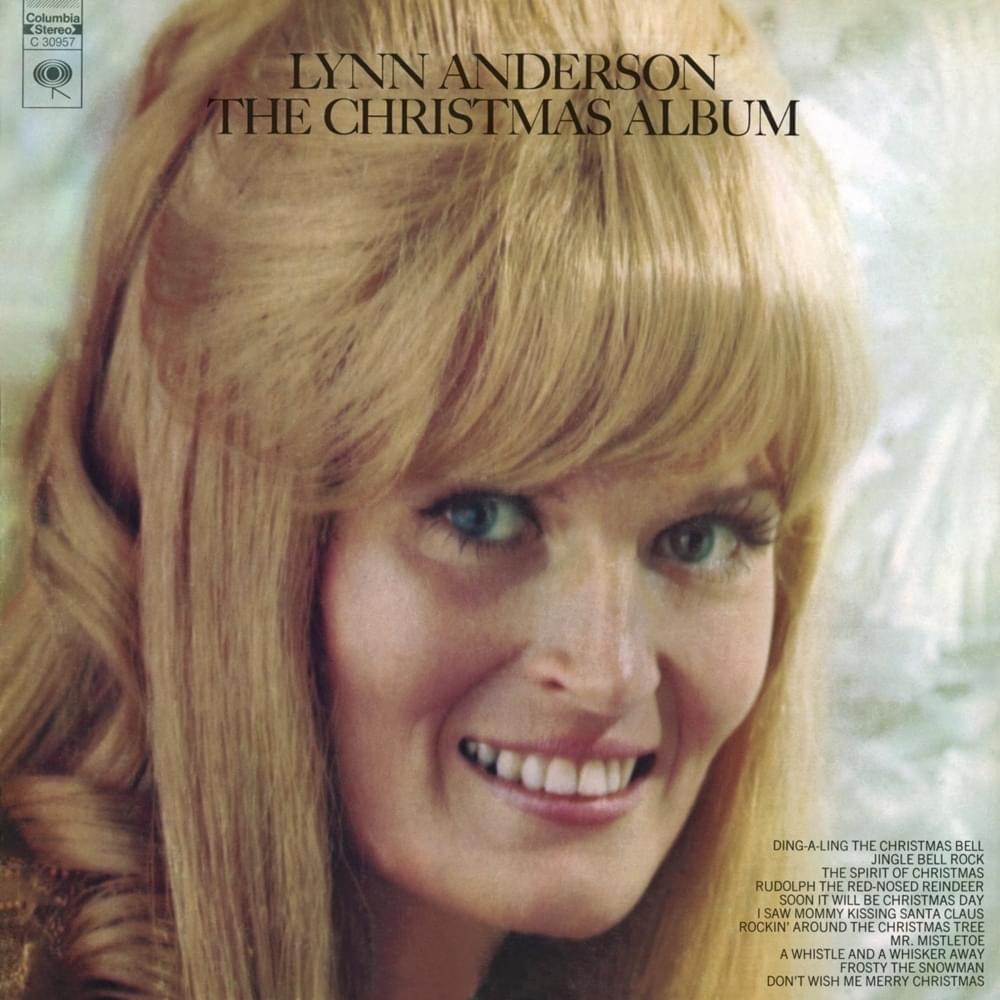
Lynn Anderson's "Spirit of Christmas" isn't subtle, nor does it need to be. This isn't a cynical Christmas banger designed to ironically soundtrack your holiday malaise; it's a sincere, open-hearted plea for connection and goodwill. The song's power lies in its simplicity: Christmas, Anderson insists, isn't about the tinsel or the presents, but about an active, outward-facing love. It's a call to action, urging listeners to embody the titular spirit by extending kindness even to strangers. In a world increasingly fractured, this message feels less like a quaint carol and more like a necessary intervention. Musically, the song likely leans into traditional, comforting melodies, further amplifying its message of warmth and inclusivity. Anderson isn't just singing about Christmas; she's preaching a gospel of empathy. This sentiment is crystallized in the line "love must flow for love is the spirit of Christmas", which isn't just a catchy refrain, it's the song's entire thesis.
The song's religious underpinnings are undeniable, but they're presented in a broadly accessible way. The reference to Bethlehem's manger isn't a fire-and-brimstone sermon; it's an origin story for the kind of radical love Anderson advocates. "Open your heart out and let him come in," she sings, framing faith not as dogma, but as an invitation to embrace compassion. This inclusive approach is key to the song's appeal; it's less about converting listeners and more about reminding them of a shared humanity. The “spirit of Christmas” becomes synonymous with universal love, a concept that transcends specific religious boundaries.
Ultimately, the lasting resonance of "Spirit of Christmas," and the Lynn Anderson lyrics analysis it invites, lies in its directness. In a cultural landscape saturated with manufactured sentiment, its straightforward message is refreshing. It's a reminder that the true spirit of the season isn't about what we receive, but about what we give – not just material gifts, but the more valuable gifts of kindness, understanding, and love. Anderson's performance serves as a gentle challenge: to look beyond our own immediate circles and actively cultivate a spirit of generosity and connection, making "Christmas time" a continuous state of being rather than a fleeting annual event.
 View Artist