Song Meaning
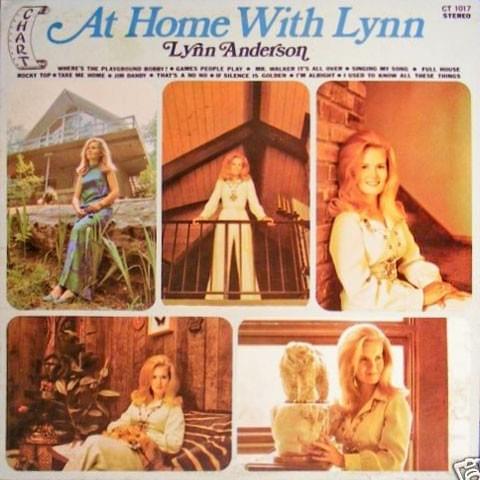
Lynn Anderson's rendition of "Rocky Top" isn't just a bluegrass standard; it's a yearning for an idealized past, a rejection of modern anxieties rendered in twang and steel guitar. The song's enduring appeal lies in its deceptively simple premise: a longing for a simpler life, far removed from the "smoggy smoke" and "telephone bills" of urban existence. It taps into a deep-seated American desire to escape the complexities of contemporary society and return to a more authentic, agrarian way of life. The repeated refrain, "Rocky Top, you'll always be home sweet home to me," acts as a powerful mantra, reinforcing the idea of a sanctuary, a place of refuge from the pressures of the modern world. But what is Rocky Top, really? Is it a literal place, or a symbolic representation of something lost?
The lyrics paint a picture of Rocky Top as both idyllic and slightly dangerous. There's a hint of lawlessness and moonshine stills, a sense of untamed wilderness where "strangers ain't come down." This juxtaposition of the pastoral and the perilous adds a layer of complexity to the song's meaning. It's not just about escaping to a picturesque countryside; it's about embracing a certain degree of rugged individualism, a willingness to live outside the constraints of conventional society. The narrator's wistful reminiscence of a lover who was "half bear, the other half cat" further reinforces this theme of untamed passion and unconventional romance. This isn't about polite society; it's about raw, unadulterated human experience.
Ultimately, the song meaning of "Rocky Top" resonates because it speaks to a universal desire for simplicity and escape. Anderson's delivery, tinged with a hint of melancholy, underscores the bittersweet nature of this longing. While the song celebrates the allure of a simpler past, it also acknowledges the impossibility of fully returning to it. The lyrics reveal the narrator's awareness of being "trapped like a duck in a pen" by the demands of "cramped up city life," and this creates a sense of resignation that undercuts the celebratory tone. "Rocky Top" is not just a celebration of rural life; it's a lament for a lost world, a world that may never have truly existed, but one that continues to hold a powerful sway over the American imagination.
 View Artist