Song Meaning
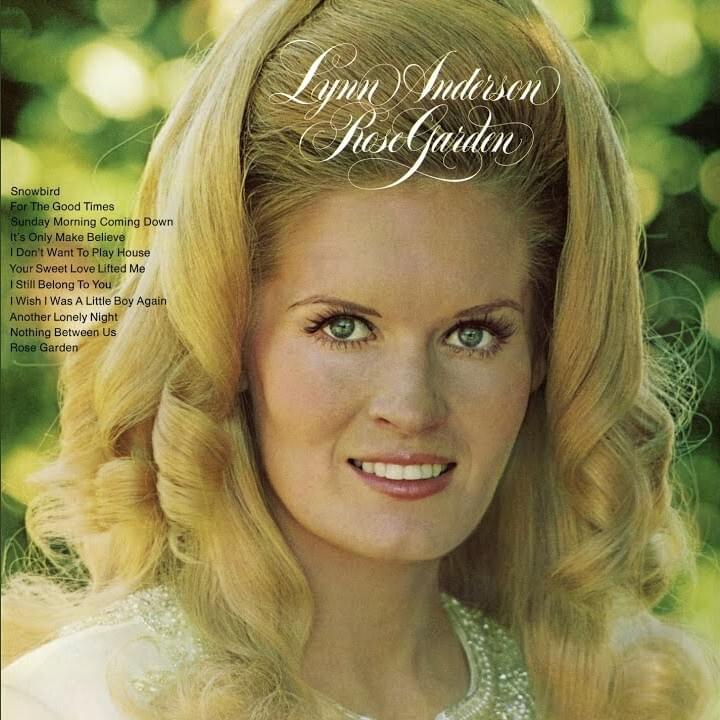
Lynn Anderson's rendition of "It's Only Make Believe" casts a long shadow of romantic delusion. The track, steeped in countrypolitan heartbreak, dissects the chasm between public perception and private despair. The surface narrative is deceptively simple: a love seemingly shared, yet fundamentally counterfeit. But the lyric's power lies in its stark portrayal of self-deception. The singer acknowledges the facade ("I know it's only make believe"), yet remains ensnared by the *hope* that the fiction might transform into reality. It's a psychological tightrope walk, balancing awareness and denial. The repeated phrase underscores the fragility of the singer's emotional state, teetering on the edge of collapse.
Anderson's delivery, characteristically smooth, ironically heightens the underlying tension. The polished production, typical of the era, further enhances the sense of artifice. The song subtly probes the human need for validation and the lengths to which one will go to maintain an illusion, even when acutely aware of its falsehood. The lyrics, though seemingly straightforward, hint at a deeper, more complex emotional entanglement. The repeated declarations of devotion ("My hopes my dreams come true, my one and only you") become increasingly desperate, betraying a profound insecurity. The contrast between the imagined relationship and the stark reality is the crux of the song's emotional weight.
Ultimately, "It's Only Make Believe" resonates not as a simple love song, but as a case study in emotional dependency. The singer's "only prayer" exposes a vulnerability that many listeners can relate to, the universal desire for reciprocated love clashing against the painful awareness of its absence. The song's enduring appeal lies in its unflinching portrayal of this inner conflict, a raw and honest depiction of the human heart's capacity for both hope and self-deception. It's a testament to the power of performance, both on stage and in the theater of our own minds.
 View Artist