Song Meaning
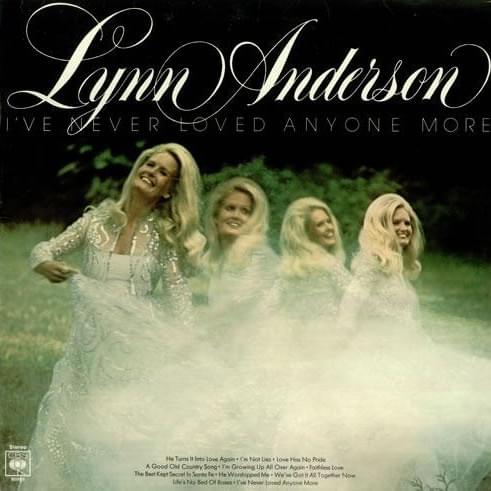
Lynn Anderson's "Я бреду по бездорожью (I’m wandering off-road)" – performed in Russian, though known in English as "I'm Not Lisa" – cuts straight to the quick of grief and identity. The singer, Julie, exists in the shadow of Lisa, a lost love who haunts the male subject of the song. It's a powerful setup: Julie isn't trying to *replace* Lisa, but rather offers a different kind of solace, one rooted not in idealized memory but in present-day, unflinching companionship. The repeated lines, "I'm not Lisa / Lisa left you years ago," aren't just a statement of fact; they're a desperate plea for recognition, a heartbreaking acknowledgement of the man's fixation on the past. It's the emotional weight of trying to connect with someone who is psychologically unavailable.
The lyrics paint a vivid picture of Lisa as an almost ethereal figure – "your morning light," a being of perpetual joy. This idealized vision contrasts sharply with the reality of the man's current state: trapped in grief, "drowning in your tears." The stark image of Lisa being led away "one winter day" suggests a sudden, possibly tragic, departure, leaving the man frozen in time. Julie's presence is a direct challenge to this frozen state. She doesn't promise to rekindle the lost "morning light," but offers something arguably more profound: unwavering presence until the "sunlight shines through your face." This is a promise of healing, a slow and difficult journey towards rediscovering joy.
The most poignant aspect of "I'm Not Lisa" is its exploration of unrequited emotional labor. Julie’s love is not a blazing inferno; it’s a quiet, persistent flame, offering warmth without demanding reciprocation. The line "My eyes are not blue / But mine won't leave you" speaks volumes. Blue eyes, often associated with beauty and innocence, represent the unattainable ideal of Lisa. Julie acknowledges she can't compete with this idealized memory, but her loyalty is unconditional. The song, therefore, becomes a meditation on the nature of love itself: is it about chasing an idealized past, or embracing the imperfect, yet steadfast, present? Lynn Anderson's delivery, regardless of the language, amplifies the inherent tension, making "I'm Not Lisa" a timeless exploration of loss, identity, and the quiet strength of enduring love.
 View Artist