Song Meaning
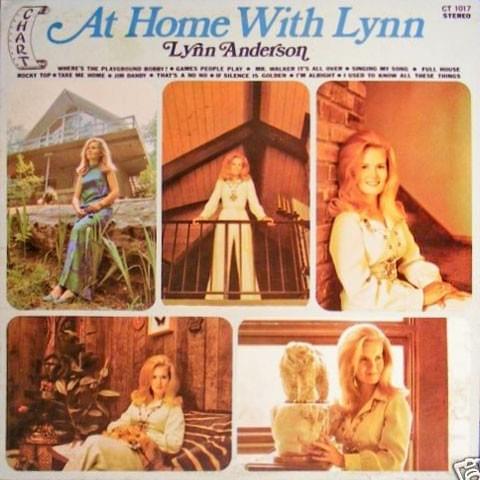
Lynn Anderson's "I Used to Know All Those Things" isn't just a country lament; it's a psychological portrait of loss, framed by the stark simplicity of memory. The song meaning hinges on the contrast between a remembered idyllic past and a present defined by its absence. Anderson doesn't just state she's lost love; she meticulously catalogs the small, intimate details that made it meaningful: "morning kiss and evening touch," "hours of doing nothing much." It’s the mundanity of shared experience, now gone, that amplifies the pain. The repetition of "I used to know all those things" acts as a haunting refrain, each iteration driving the emotional knife deeper. The wedding ring, a potent symbol of commitment and shared future, becomes a relic of a shattered promise. It’s no longer a source of joy but a painful reminder of what was, emphasizing the raw ache of disillusionment.
The lyrics subtly suggest the insidious creep of disconnection. Phrases like "leavin' soon and then to stride / Went dreaming room for foolish pride" hint at a gradual erosion of intimacy, replaced by ambition or ego. The "happy home with love inside" is not violently destroyed but slowly emptied, its contents replaced with something hollow. This focus on internal decay rather than external conflict makes the song resonate with a deeper, more universal sense of loss. Anderson isn't just singing about a broken marriage; she's exploring the psychological impact of lost innocence and the painful realization that happiness, once taken for granted, can be irrevocably lost.
Ultimately, "I Used to Know All Those Things" is a masterclass in understated emotional devastation. Lynn Anderson uses the power of simple language and repetition to expose the raw nerve of memory, forcing us to confront the fragility of love and the enduring power of the past. The song lingers not as a tale of bitterness, but as a poignant reflection on the human capacity for both love and loss, and the haunting question of whether we can ever truly recover what we once knew.
 View Artist