Song Meaning
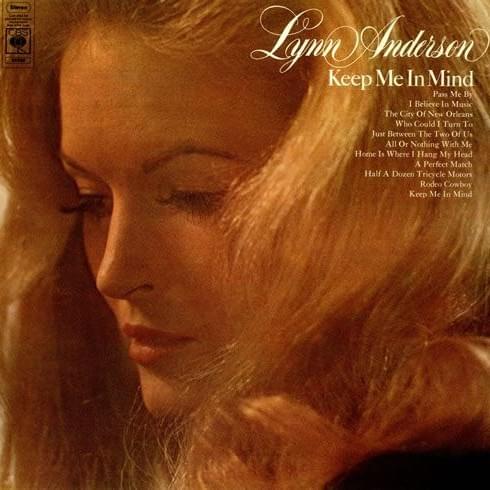
Lynn Anderson's "I Believe in Music" isn't just a song; it's a thesis statement. Released during a period of immense social and political upheaval, the song's deceptively simple lyrics offer a powerful antidote to the anxieties of the era. It's a declaration of faith in the unifying power of art, a sentiment that resonates even more deeply in our fractured present. The core message revolves around music as a refuge, a space where discord can be momentarily silenced, and collective harmony can be achieved. It posits that the act of creation, of "making music all day long," is inherently harmless, a gentle rebellion against the negativity that pervades the world. The song's meaning is further amplified by its repeated invocation of love, presented not merely as an emotion but as an active force intertwined with music itself. "Music is love and love is music," Anderson sings, suggesting a symbiotic relationship where one cannot exist fully without the other. This connection underscores the song's utopian vision, a world where empathy and understanding are fostered through shared artistic experiences.
Beyond its surface-level optimism, "I Believe in Music" taps into a deeper psychological need for connection and belonging. The lyrics encourage active participation, urging listeners to "clap your hands and stomp your feet," transforming passive consumption into a communal act. This call to action speaks to the human desire to be part of something larger than oneself, to find solace and strength in collective expression. The song's simplicity is its strength; it avoids complex metaphors and instead relies on direct, accessible language that transcends cultural boundaries. This universality is further emphasized by the line, "Music is the universal language," reinforcing the idea that music can bridge divides and foster understanding where words often fail. The lyrics analysis reveals that the song doesn't shy away from addressing societal ills, but it offers a solution rooted in human connection and artistic expression.
Ultimately, "I Believe in Music" functions as a kind of secular hymn, a testament to the enduring power of art to heal and unite. It acknowledges the "fussing and fighting" of the world but proposes music as a counter-narrative, a way to temporarily transcend conflict and find common ground. The song's message is particularly relevant in an age defined by polarization and digital isolation. It reminds us of the importance of shared experiences, of the need to connect with others through art and creativity. Lynn Anderson's delivery, characterized by sincerity and warmth, further enhances the song's emotional impact. It's an invitation to set aside our differences, to embrace the unifying power of music, and to rediscover our shared humanity. The song's enduring appeal lies in its unwavering belief in the potential for art to create a more harmonious world. It is a song about hope and the power of music.
 View Artist