Song Meaning
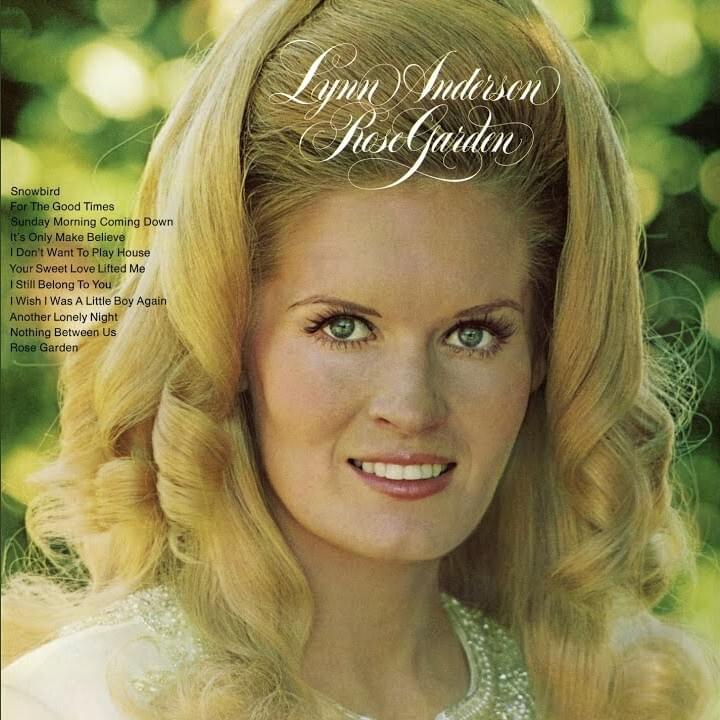
Lynn Anderson's rendition of "For the Good Times" isn't just a countrypolitan goodbye; it's a masterclass in bittersweet denial. The song's core resides in the tension between acknowledging the inevitable end of a relationship and desperately clinging to its final moments of intimacy. It’s a portrait of someone caught between acceptance and a primal fear of loneliness, choosing fleeting comfort over facing a stark future. The opening lines, "Don't look so sad, I know it's over," are delivered not with stoic resolve, but with a fragile hope that perhaps the end isn't *really* here, not yet. This sets the stage for a plea that's both heartbreaking and subtly manipulative.
The chorus is where the psychological weight truly lands. The repeated request to "lay your head upon my pillow, hold your warm and tender body close to mine" isn't simply about physical comfort; it's a desperate attempt to recreate the illusion of connection, to momentarily banish the impending void. The "whisper of the raindrops blowing soft against the window" adds a layer of melancholic romanticism, a stage set for a final, fabricated performance of love. The key line, "make believe you love me one more time," exposes the raw vulnerability beneath the surface. It's an admission that the love is gone, replaced by a hollow performance for the sake of temporary solace.
Anderson's delivery, combined with the lyrics, paints a picture of someone bargaining with reality. The verse acknowledging that "I'll get along, you'll find another" feels like a rehearsed line, a platitude masking deeper anxieties. The offer to be there "if you should find you ever need me" hints at a lingering hope for reconciliation, a refusal to fully let go. The request to "not say a word about tomorrow or forever" is the ultimate act of avoidance, a desperate attempt to freeze time and prolong the illusion. "For the Good Times" becomes a study of how we grapple with loss, often choosing the comfort of familiar lies over the pain of irreversible endings.
 View Artist